Staff Writer Zaynab Ali reflects on Labour’s performance in the Local Council elections across London adding her personal take on the internal battles of Labour Party politics.
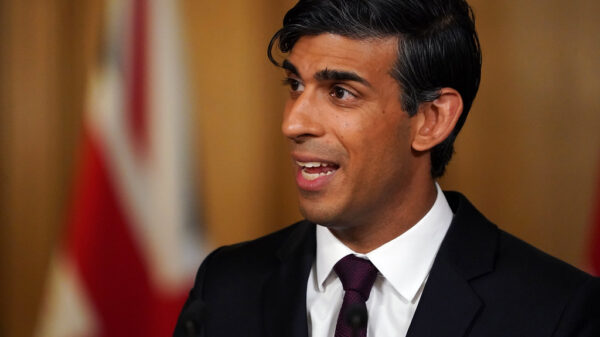
Despite Labour’s historic defeats in the recent council elections across the UK, Keir Starmer has refused to step down as Prime Minister. Starmer says he is “not going to plunge the country into chaos” If the party continues its current course, the country risks even greater chaos, potentially handing the keys to Number 10 Downing Street to Nigel Farage and Reform UK.
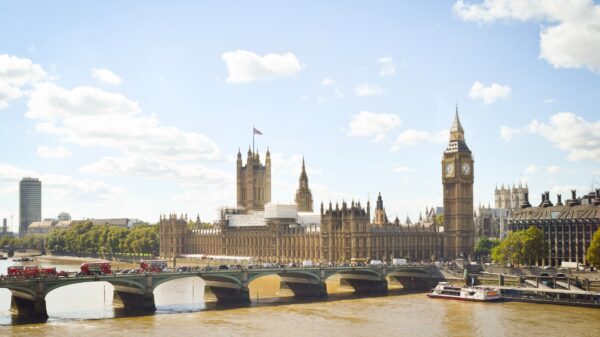
As a Labour Party member who grew up in London, the heartland of Labour support, I found watching the results come in for London councils a crushing blow. Particularly for my own home council, Westminster City Council, which lost Labour control to the Conservatives.
Months of canvassing, speaking to residents, understanding their concerns with local issues, and promising that a Labour-led council would have a solution, only for voters to turn away from the party. The key consistent message I got across the board, speaking to residents, was dissatisfaction with the national party.
Voters believe that this is not the left-wing, socially progressive Labour Party it once was, leading to a rise in Green Party votes across London councils and splitting the Labour vote. Whilst Reform UK’s gains are also notable, this piece will focus specifically on political shifts across London.

Councils like Hackney, Lewisham, Lambeth, Brent, Wandsworth and many more were once Labour strongholds, yet have seen growing numbers of voters switch their support to the Greens. In Westminster, the rise of the Greens contributed to a split in the Labour vote, handing the council to the Conservatives. Increasingly, progressive voters in London are drifting towards a populist left that they feel more clearly represents their values.
Yet populism from either the left or the right in governance rarely translates into competency. In Islington, in North London, it was revealed that the Greens had opposed the construction of 676 socially rented homes. Across the UK, to Reform-led councils like Kent, despite promising to cut council tax, have increased council taxes by up to 5%. Examples like these demonstrate that governing requires more than political slogans. Ultimately, voters need a party that can deliver practical policies that improve people’s everyday lives.
Reflecting on the achievements of my own home council, Westminster Labour, the embodiment of a socially progressive Labour Party. From delivering 667 new council homes, freezing council tax, cutting council carbon emissions by 27%, expanding free school meals and even more, this signals the positive achievements of a Labour-led council.
Yet this was not enough to sway voters to hold onto Labour. Rather than focusing on the achievements of local Labour councils, voters were more influenced by the national image of Labour, a party riddled with scandal, weak leadership, and U-turns on policies. Despite offering a completely different policy platform to their Conservative predecessors, this was not enough to stop voters from viewing the current party as ‘Tories in Red’. This signals voter fatigue and disillusionment towards Labour, turning to something more radical and promising the populist left. Therefore, shifting London’s political scene from the Labour heartland to a fragmented mixture of parties contributed to Labour’s worst electoral defeat on record.

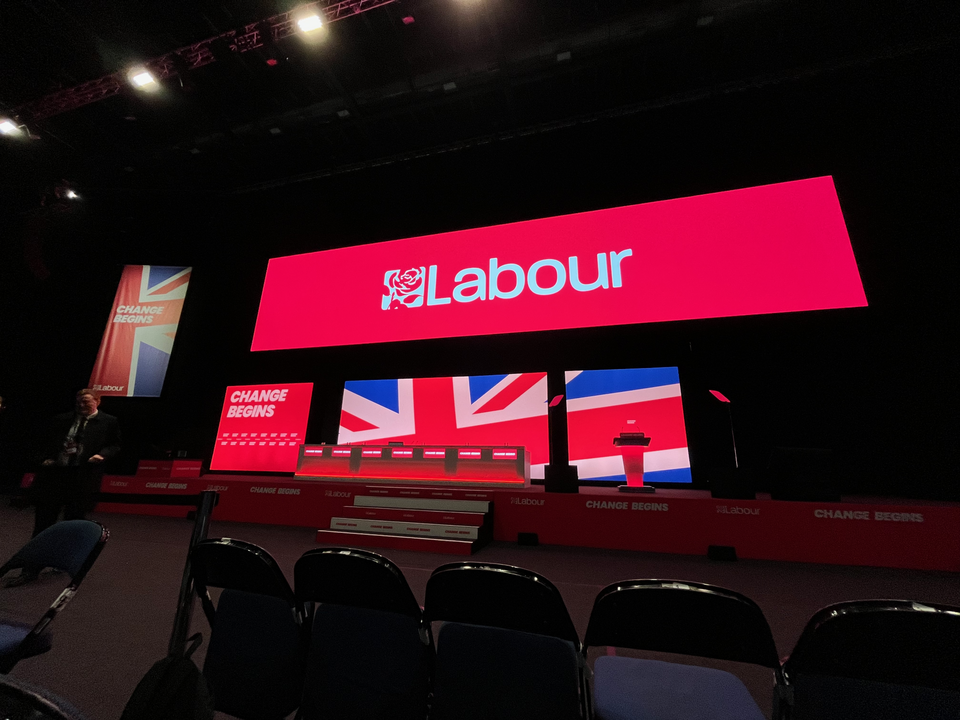
In response to Labour’s worst electoral defeats, I attended Starmer’s post-election speech on the 11th May, in which he pleaded for the country and his own backbench to have faith in him. Yet I felt the party was already in decline, and no amount of media speeches could revive it. Repeating the words ‘change’, Starmer was met with cheers from supporters in the room, yet this optimism was not reflected across Parliament and the country.
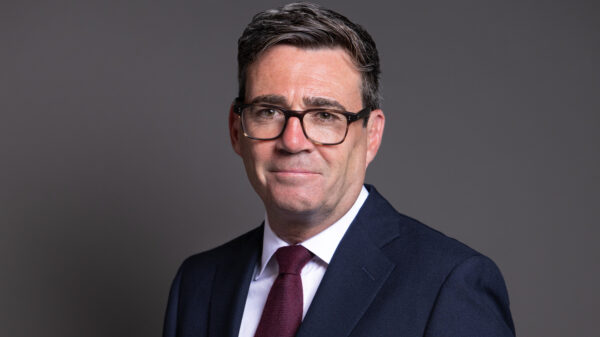
As I currently write this article, over 80 Labour MPs have called for Starmer to resign, ministerial aides and ministers like Wes Streeting have resigned in protest for a new leader. Most pressing is the rumours of Greater Manchester Mayor Andy Burnham returning to Parliament through the Makerfield by-election and former Deputy Prime Minister Angela Rayner.
Therefore, it’s now more urgent than ever that Labour should change its ways, whether that be a change in leader or policy platform to embrace its progressive foundations on which it was built. A return to the soft left rather than the failed electoral experiment of Blue Labour, which has seen progressive voters abandoning the party. Rayner, has stated that “what we are doing isn’t working, and it needs to change”, fuelling leadership contest rumours.
Whether it is a change in leadership or in policy platform, Labour officials must reflect on their party’s mistakes and act quickly before it is too late. For now, the party’s future remains uncertain with no clear consensus on the path forward.
About the author