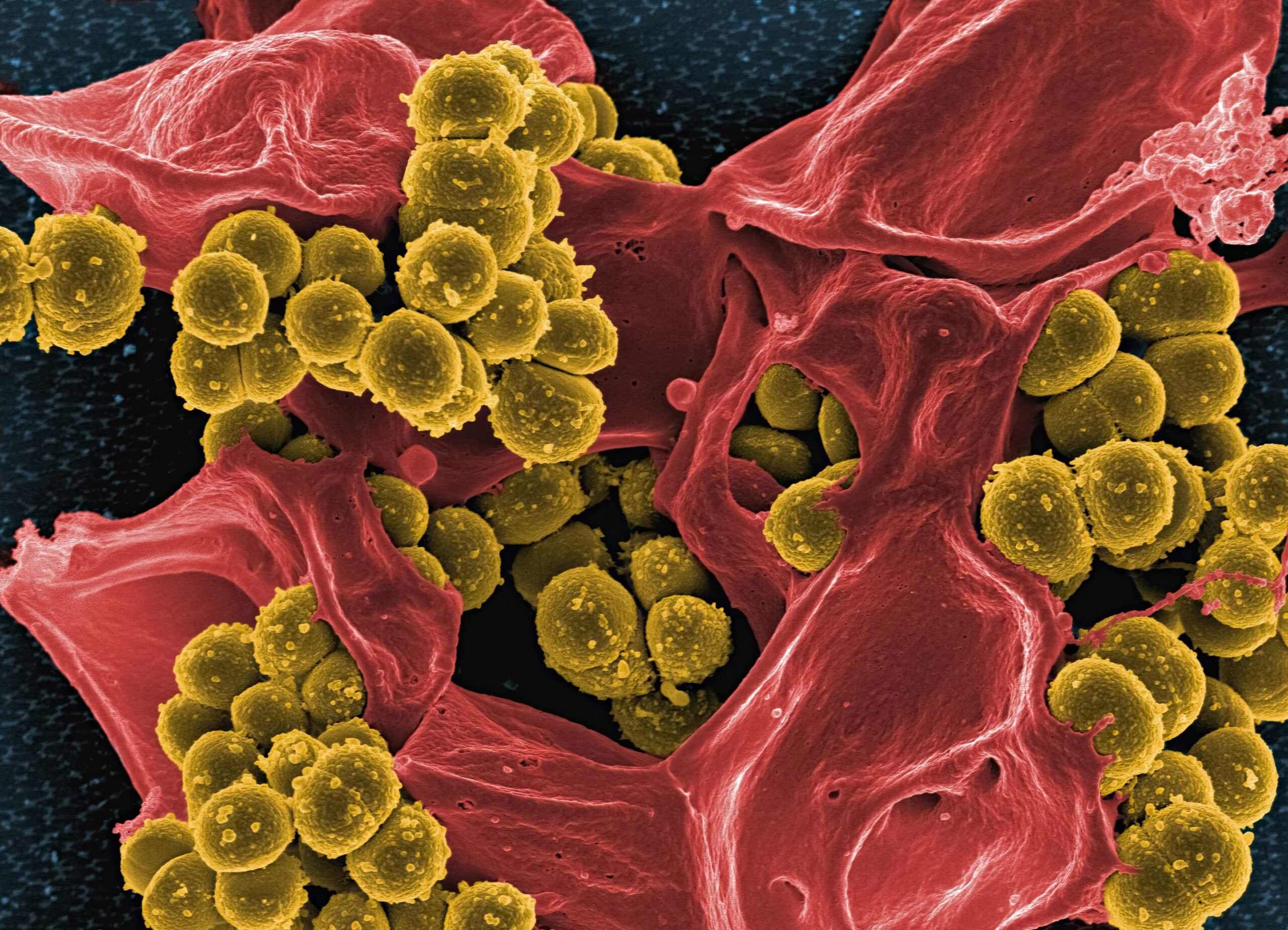
King’s researchers in the Faculty of Life Sciences and Medicine (FoLSM) have delved into antimicrobial resistance (AMR) worldwide to forecast the development of resistance trends until 2050.
The study, led by senior author Professor Tania Dottorini, has identified approximately 210 resistance traits (genetic factors) that could be the most detrimental in the coming years.
Experts believe AMR is one of the most prominent public health threats. A 2024 study predicted that it could cause 39 million deaths between 2025 and 2050.
AMR is caused by several factors such as genes, pathogens and environmental characteristics.
The study utilised machine learning and prediction to find which AMR traits have the highest – and lowest – probabilities of spreading and posing future risk, in later years. Knowledge of these traits will be helpful for future action and investment into suppressing the most dangerous threats.
The scientists studied 16 bacterial species outlined by the World Health Organisation (WHO) as critical priority pathogens. Examples include Klebsiella, Acinetobacter and Escherichia coli (E. coli), which are also linked with high mortality rates and limited treatment options.
The study examined data from 127 countries; the analysis of which consisted of three stages.
Initially, researchers analysed over 45000 genomes from the 16 bacterial species, and the AMR data. They used machine learning to identify which resistance genes were most strongly correlated with antibiotic resistance.
Secondly, to learn how these global factors may change in the future, the team analysed over 1000 environmental, health and socioeconomic indicators, such as poverty, climate and healthcare trends.
Thirdly, the researchers analysed these trends alongside resistance patterns, to pinpoint which genetic factors are most influenced by future environmental and socioeconomic changes. This helped them craft a more informed analysis of resistance threats most likely to amplify by 2050.
Findings
The researchers found 210 pathogen-related AMR traits most likely to rise by 2050; 32 of these were deemed high-risk threats. This classification was based on the presence of the traits in WHO priority pathogen lists. Also considered was their heavy correlation with future spread and crucial influences such as mortality, poverty and healthcare access.
Standout indicators of rising antimicrobial resistance were depicted to be socioeconomic inequality and living conditions, e.g. overcrowding, access to sanitation.
“Reducing antibiotic use alone won’t be enough. Tackling AMR requires structural interventions on inequality, sanitation, nutrition and health equity alongside stewardship. We believe that our findings provide a roadmap for targeted AMR interventions.”
Professor Tania Dottorini, Professor of Artificial Intelligence for Science at King’s College London
The study also emphasised how mobile the highest-risk resistance mechanisms are: they can spread rapidly between humans, animals and bacteria. This alarming characteristic requires urgent, targeted intervention and research into how to prevent the spread.
“By identifying the resistance traits most likely to emerge by 2050, this study supports a shift from reactive to proactive action, helping to direct resources towards the highest-risk threats. By recognising where these risks are concentrated, we can better coordinate efforts to mitigate what remains one of the most serious threats to global public health.”
Sadhana Sharma, BBSRC AMR lead
This study, in the future, could heavily influence global surveillance strategies and intervention against AMR. Its insights could increase the efficiency of research and solutions to combat AMR and investments made into the same.
About the author