Staff Writers Zaynab Ali and Guy de Basto set out the lay of the land for the Makerfield by-election on 18 June.
After Labour’s worst electoral defeats in the 2026 local council elections, the resignations of government ministers have sent Sir Keir Starmer’s premiership into chaos amid growing rumours of a potential Labour leadership challenge. With the tactical resignation of Labour MP Josh Simsons, the constituency of Makerfield has become a battleground for all political parties, signalling the fragmentation of British politics today. For the Labour Party in government, the result of Makerfield could be its make-or-break.
The Loss of the “Red Wall”:

This result carries even greater weight following last month’s local council elections, where Reform UK made prominent gains in the North of England, destroying Labour’s historic “Red Wall”. Reform won 24 of the 25 seats contested in the Wigan Council surrounding Makerfield, with Labour losing every single seat it aimed to defend. Moreover, Reform polled between 40 and 55 per cent across most wards. One reason this is particularly striking is that Labour has held a majority of the Wigan Council since its creation in 1974.
The subsequent fallout was immediate. On 14 May, Health Secretary Wes Streeting resigned from the cabinet, remarking he had “lost confidence” in Starmer’s leadership and became the most senior minister to quit since the rebellion began. On that same day, 97 Labour MPs publicly called on the Prime Minister to resign or, at the very least, set out a timetable for departure, clearly demonstrating the mass disagreement within the party.
The Rise of Andy Burnham:
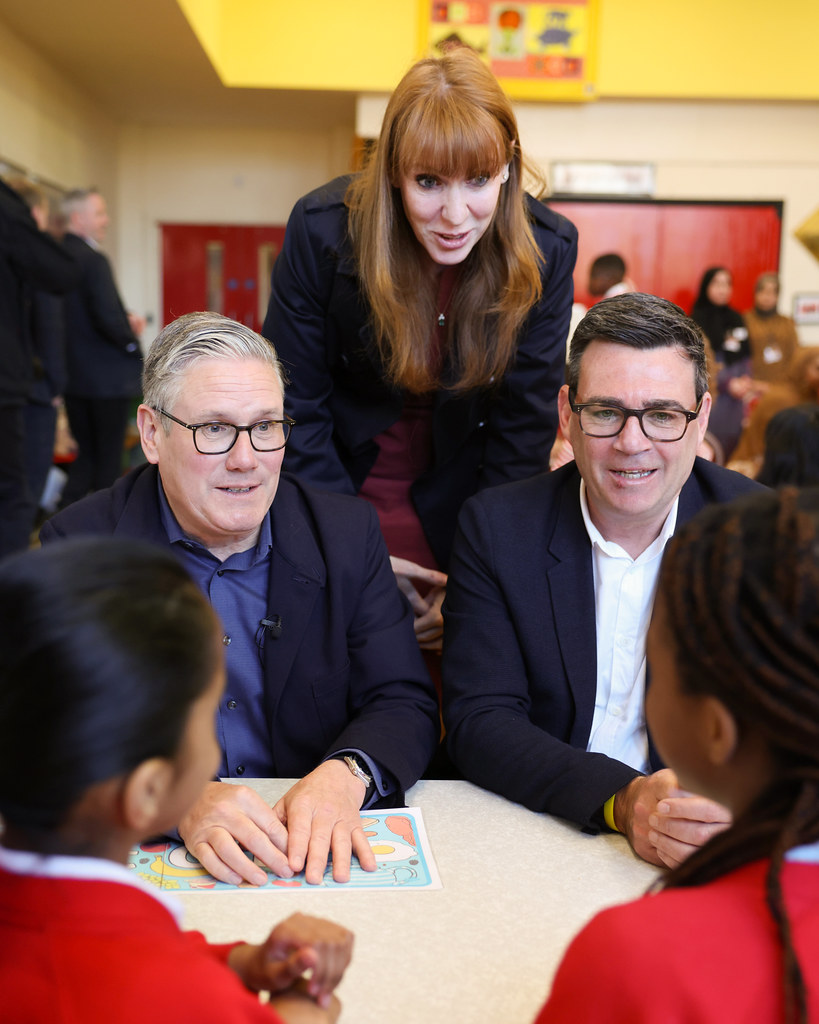
One glimmer of hope for the party is the Labour National Executive Committee’s (NEC) decision to allow Greater Manchester Mayor Andy Burnham to run in the Makerfield By-election. Currently, polling suggests Greater Manchester Mayor Andy Burnham is the most popular Labour politician amongst the party, with the former MP for Makerfield, Josh Simons, claiming he stood down for Burnham because “Labour needs to change, the government needs to change”.
It is worth noting that this is not Burnham’s first attempt at running as a Labour candidate in a by-election. Burnham was blocked from running in the Gorton and Denton by-election held in February 2026 by the NEC, and which was eventually won by Hannah Spencer, gifting a Labour-safe seat to the Greens. Therefore, indicating voter disillusionment and apathy with the current Labour government, with voters looking for a radical populist left-wing alternative to the current status quo.
Yet with Burnham’s candidacy for the upcoming Makerfield by-election, this has refuelled rumours of Burnham standing as a contender for the Labour leadership. Burnham previously unsuccessfully stood for the Labour leadership in 2010 (coming fifth) and 2015 (coming second behind Jeremy Corbyn). While Burnham has emphasised his bid for Makerfield is motivated by his caring “deeply about it and its people” who have been “let down by national politics”, rather than to become the leader of the Labour Party, a victory in Makerfield would return him to Westminster, offering the opportunity to shape the Labour Party and its discourse. As the battleground of Makerfield begins to unfold, so too does Burnham’s ability to present himself as a credible leader of the Labour Party and Prime Minister.
Reform Controversy:
Another key aspect of this election lies in the controversial nature of Reform’s choice of Robert Kenyon as a candidate. On the surface, Kenyon seems a fairly reasonable choice, having finished second to Simons in the 2024 Makerfield general election, with a 31.8% vote share. This makes even more sense when looking at demographics. Makersfield’s population comprises of 96% British-born residents and 65% who voted for Brexit, which lends greater weight to Kenyon’s candidacy.
However, several controversies have emerged from his past. These include, but are not exclusive to, calling abortion a ‘cowardly act’ in 2022, and an online post brazenly stating: “I’m sexist, sorry, but I am”. Moreover, the Reform Party’s knowledge of the aforementioned controversies has brought Kenyon into even greater disrepute and helps set the scene for a very interesting day on the 18th June.
Green Controversy:
Moreover, controversies surrounding the Green Party’s candidate, Chris Kennedy, have emerged from his past. With the recent anti-Semitic attacks against Jewish ambulances in Golders Green, North London, Kennedy reposted an Instagram video calling these attacks “false flag” operations. Consequently, Kennedy stepped aside from his candidature, citing “personal and family reasons”.
Final Takeaways:
Burnham is currently leading the polls at 49%, followed by Kenyon at 39%. This indicates that Makerfield has become a political flashpoint and a key electoral battleground for both Labour and Reform, with Labour leading the polls. With Reform’s sweeping wins in the Wigan Council elections, Burnham and the Labour Party have the challenge of defending a traditional Labour seat from the populist threat of Reform.
Ultimately, this by-election is more than just a by-election—it has the potential to determine the direction of British politics. For the Labour Party, not only will it demonstrate whether the party can hold onto its traditional working-class heartlands, but it will also indicate the vulnerability of Starmer’s premiership. For Burnham, Makerfield is an opportunity to rebrand the national image of the Labour Party, one that is “for us” against more radical populists. As voters head into the polling stations of Makerfield, they have the weight of British politics resting on their shoulders.
For more political analysis, click here.
About the authors