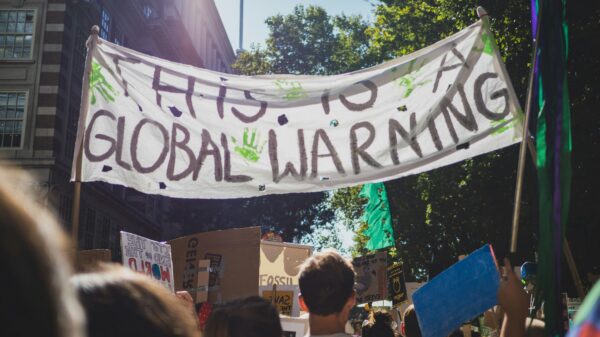
Over the past several months ‘flygskam’ or ‘fly shame’ has been a hot topic in environmental discussions. In August we saw Greta Thunberg sail across the Atlantic in a zero emissions yacht, from Plymouth to New York to speak at the UN Summit, as part of her pledge to stop taking flights. Air travel accounts for 2% of all emissions and it is predicted to dramatically increase in the future according research by The International Council On Clean Transportation.
Currently there is no perfect alternative for flying. Trains are a good start, except they are not as practical and can be less cost effective, especially for long distances. For those who rely on travel for long-distance business or visiting family, flights are the only suitable option right now. Here at Kings 54.1% of our student body is comprised of international students, most of whom will rely on flights to study in London and to visit their families. In a world that is so globally linked, is it fair to make others feel guilty for travelling via air transport? Are students who rely on flying supposed to feel extremely guilty for studying in another country? Until science finds a new, greener way of flying I don’t expect this form of travel will come to a halt.
The environmental movement has the potential to be extremely progressive, positive and impactful. Though recently it seems there is a lot of negativity and criticisms of individual choices, especially when it comes to travel. For example, there are many activists who spend a lot of their time and energy trying to promote sustainable lifestyles, attempting to open up important discussions around the topic. Part of their passion for the environment will be linked to travelling to places around the world in order to learn more about our planet. Yet, they have been hit with a great deal of criticism. This is understandable to a certain extent as flying does contribute greatly to an individual’s carbon footprint.
Nevertheless, a counterproductive environment has been fostered; an environment where people become afraid to admit that they travel, sometimes buy new clothes or use a disposable coffee cup which therefore limits discussions around environmentalism and sustainability. There is nothing progressive about negative comments that demonise the people who advocate for the environment and put considerable effort into creating sustainable lifestyles. How can you expect other people to join the movement when internally people are unproductively criticising each other? Moreover, these remarks can steer attention away from the fact that there is a lack of government responsibility and action to create significant institutional changes.
What is also important to note is that often there is an overriding ‘developed world’ narrative amongst these conversations. Whilst we debate the importance of cutting back on travel or using less plastic packaging, we shouldn’t forget the reality of climate change for communities in less developed countries, those who are the most vulnerable. These communities regularly lack the financial and physical access to air transport, rendering this topic irrelevant for them. With the vastness of problems at stake and the lack of time we have to come up with answers, let’s at least not shame each other, stay constructive and focus on the bigger, more structural issues at hand.
About the author