King’s College London was one of ten organisations that performed over half of all animal testing in Great Britain in 2025, according to Understanding Animal Research.
The university carried out the seventh-highest number of animal procedures among British research institutions last year, according to figures published by the non-profit organisation and mutual society Understanding Animal Research (UAR).
The ten organisations named in UAR’s annual report – published earlier this month alongside the Home Office’s official statistics – together carried out 1,347,667 procedures, 53% of the 2,537,507 total conducted for scientific research in Great Britain last year.
King’s recorded 106,452 procedures in 2025, placing it seventh on the list behind organisations such as the Francis Crick Institute and the Medical Research Council. Seven other universities completed the top ten, including Cambridge, Oxford, UCL, Edinburgh, Glasgow, Manchester and Imperial.
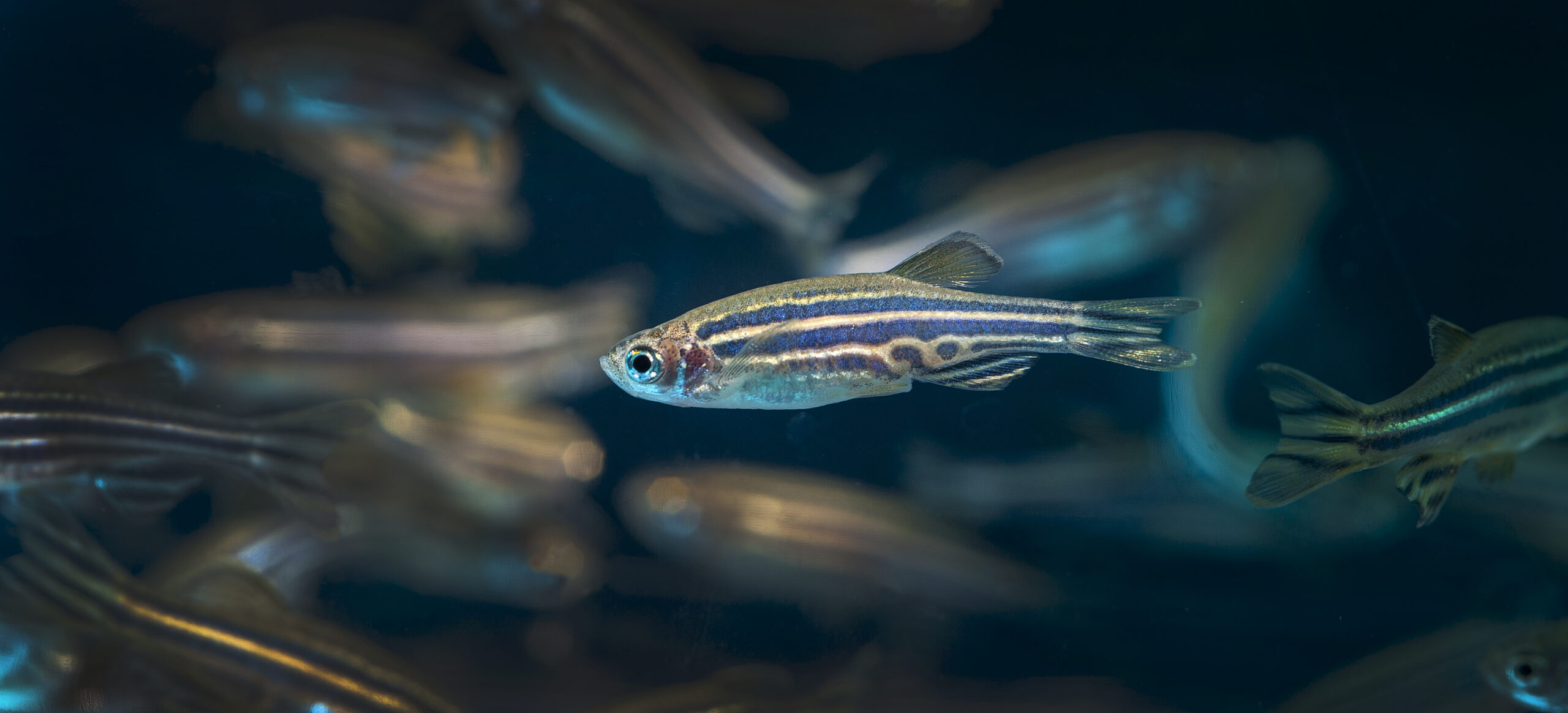
69,343 of KCL’s procedures involved mice and 36,052 involved fish, with the remainder made up of rats and other species. UAR’s severity breakdown shows the majority were classified as sub-threshold or mild. 1,769 were recorded as severe, which, according to UAR’s website, is the threshold that the testing “causes severe pain, long-lasting moderate distress, or major well-being impairment (e.g., inescapable shocks or expected fatality).”
A spokesperson for King’s College London said that “all staff involved with scientific research must adhere to the highest standards of animal care and welfare. All studies undergo rigorous review at multiple levels, are carefully regulated and are kept to the minimum necessary.”
All animal research at King’s is subject to review by its Animal Welfare and Ethical Review Body (AWERB), which considers alternatives to animal use. The body ensures that inanimate objects – such as computer models or tissue cultures – have been considered and deemed insufficient before a project can proceed.
Animal research at King’s has been linked to several recent scientific developments, including a 2025 study identifying a compound found to target multiple pathways associated with Alzheimer’s disease in preclinical models. King’s also launched the Centre for 3Rs Translational Innovation earlier this year, which focuses on replacing, reducing and refining the use of animals in research.
King’s houses several different species at its Biological Services facilities, including mice, rats, fish, rabbits, guinea pigs, amphibians, marmosets and snakes. It also has the capacity for up to 40,000 mice and 50,000 zebrafish at any one time following the completion of a purpose-built, state-of-the-art zebrafish facility in 2013.
Speaking to Roar, a spokesperson for King’s College London said that:
“King’s supports world-class research involving animals, with animal welfare at its heart. All staff involved with scientific research must adhere to the highest standards of animal care and welfare. All studies undergo rigorous review at multiple levels, are carefully regulated and are kept to the minimum necessary.
We see excellent translational impact from studies using animals, which make an essential contribution to the understanding of biological sciences and to the diagnosis, treatment and prevention of disease. We continually reinforce the replacement, reduction and refinement of animals in scientific research, supported by our new Centre for 3Rs & Translational Innovation launched this year.”
Further information on King’s College London’s policy on the use of animals in scientific research is available here.
About the author