Guest Writer Tali Smus examines the history and meaning of “intifada,” linking the first and second uprisings to chants heard within UK university campuses, and questions how calls to “globalise the intifada” fit within UK free speech and anti-extremism laws.
“There is only one solution, intifada revolution.” Let’s break this chant down.
There were two major intifadas: 1987-1993 and 2000-2005. The intifadas were violent and non-violent uprisings targeted against Israeli soldiers, civilians, and public infrastructure.
While supporters framed them as a push for political reform, the violent nature of the uprisings and subsequent casualties undermined hopes for a negotiated peace.
The first intifada helped precipitate the Oslo Accords (1993/1995) – mutual recognition between Israel and the Palestine Liberation Organization (PLO) and the creation of the Palestinian Authority (PA). This was contingent on the newly recognised PA abandoning violence for dialogue in the ultimate aim of peace.
However, the mere existence of a second intifada – marked by widespread violence and suicide bombings – shattered public confidence in the peace process.
The Second Intifada was a far bloodier and violent ‘conflict,’ including suicide bombings inside Israel targeting as many innocent civilians as possible in cafes, buses, and shopping centres. The Second Intifada aimed at terror, and that is exactly what it wrought on Israeli communities.
The truth is that Arafat, the leader of the PLO, never signed an agreement for a two-state solution after the signing of the Oslo Accords. Indeed, summits at Camp David (2000) and Taba (2001) ended without a signed deal.
Together, these events shattered any hope for the peace the Oslo Accords may have brought. Israel subsequently adopted a stronger stance against terror, including construction of the West Bank barrier. As a result, suicide bombings and such horrific attacks sharply declined afterward.
The intifadas deepened the divide between Israelis and Palestinians – and reinforced the notion among many Israelis that peaceful discourse, coexistence, and living side by side was not what the PLO or PA truly wanted.
This is what an ‘Intifada’ means to Israelis and Jews around the world. Those of us who are aware of the history recognise the destruction of peaceful dialogue and the proliferation of violence against civilians.
Now on a point I haven’t heard anyone discuss before, the first part of the chant. “There is only one solution.”
Doesn’t this phrase seem very peculiar for the people calling for a ‘two-state solution’ in the Middle East?
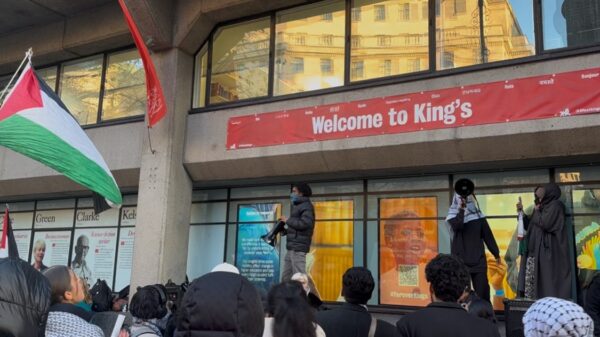
Now that the genesis of what an intifada truly is (and was) has been established – how on earth is this chant allowed to be repeated on UK university campuses, with some students calling for outright violence and terror? UK legislation is supposed to ensure the prohibition of the unlawful encouragement of terrorism.
And what’s worse is that the chant to “globalise the intifada” sounds like a clear threat to me.
University is meant to be a place where future leaders are formed and taught, where ideas flourish. Yet I fear a future in which calls for a ‘student intifada’ erode discourse and dialogue in institutions fundamentally built for debate and learning.
This article represents the author’s views. Roar welcomes responses for publication.
About the author