Staff writer Hamna Husnat highlights how England’s football loss to Argentina may have affected domestic violence and the need for action.
Many watched the gutting game on Wednesday, where England missed the chance to reach their first World Cup final since 1966. It was an unexpected turnaround for numerous spectators, given England scored the first goal at the 55th minute; it was only at the 92nd minute that Argentina secured their winning goal.
But for most of us, that’s all it was: a game that had gone wrong. Meanwhile, for some women, the result of the match may have carried consequences far beyond football.
Understanding the Link
In the year ending March 2025, 72% of victims of police-recorded domestic abuse were female.
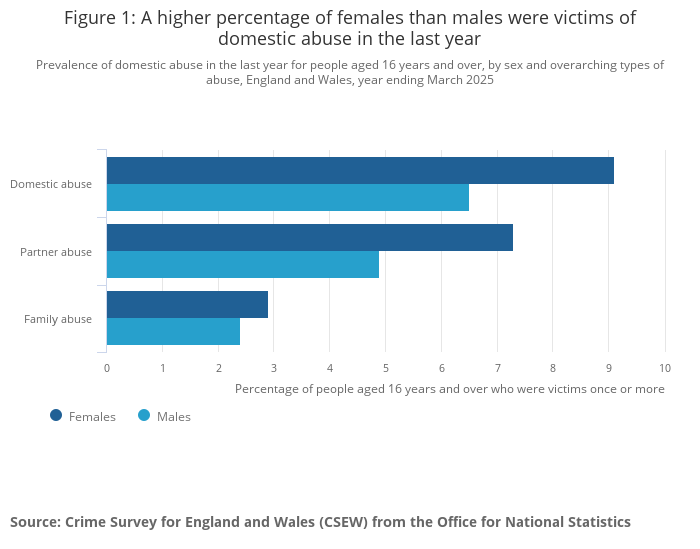
Regarding football, domestic abuse does not only happen on days when matches are lost. In fact, according to Lancaster University’s 2014 study, research found domestic violence rose following any England match, although the extent differed. After a draw or win, abuse increased by 26%, and following a loss, this percentage increased up to 38%. However, other studies paint a more nuanced picture about the significance of the outcome of the match.
The reason why some people resort to violence is difficult to pinpoint. It may be a means for the abuser to seek power and control, or they may be replicating violence seen within their own families. However, it is strongly suggested that football itself does not cause the violence. Rather, it can exacerbate existing abusive behaviour, just as other factors, like alcohol, do.
In fact, the link between alcohol consumption, football and domestic abuse was explored further in the 2024 study in the Journal of Public Economics, the results of which suggested that the rise in violence correlated with alcohol consumption. Earlier kick-off times meant perpetrators had more time to consume alcohol, leading to increased abuse after the match. Meanwhile, abuse during the game declined. And unlike what the previous Lancaster study suggested, these results were largely similar regardless of the game’s outcome.
The differing findings of these studies show that there is no clear answer to what factors most contribute to domestic violence. Evidently, more research is needed. However, both emphasise an association between behaviour around football matches and abuse. Therefore, at times like the World Cup or the Euros, more than ever, we need to spotlight the abuse that happens behind many closed doors.
And the fact remains that this violence is happening every day, a problem far from over. Those of us who are unaffected can easily dismiss this issue as an unfathomable reality. However, it is our collective responsibility to do more to end domestic violence – a systemic issue found in all parts of society, irrespective of age, religion, or socioeconomic status.
What can you do?
A good place to start is educating ourselves. Whether that be learning about factors that may contribute to abuse, looking out for those around us and recognising signs of mistreatment, and supporting the organisations that relentlessly campaign against domestic abuse, like Women’s Aid and Refuge.
As the charity Solace Women’s Aid says: Stop it coming home.
About the author