Staff Writer Shreya Iyer delves into the theory behind the benefits of King’s College Hospital’s new outdoor roof garden.
Life as a critical care patient is often confined within the boundaries of the ward.
Routine check-ups, tests and the seemingly never-ending medications can cause patients’ lives to feel monotonous and isolating. The lack of exposure to natural light and surroundings adds to these feelings.
To address this and improve patients’ chances of survival, King’s College Hospital has designed an outdoor roof garden that offers something different: fresh air, greenery and a moment away from the same four walls.
The roof garden, the first of its kind in the United Kingdom, can currently accommodate six patients, with beds equipped so patients can access medical devices and power while experiencing the restorative effects of nature.
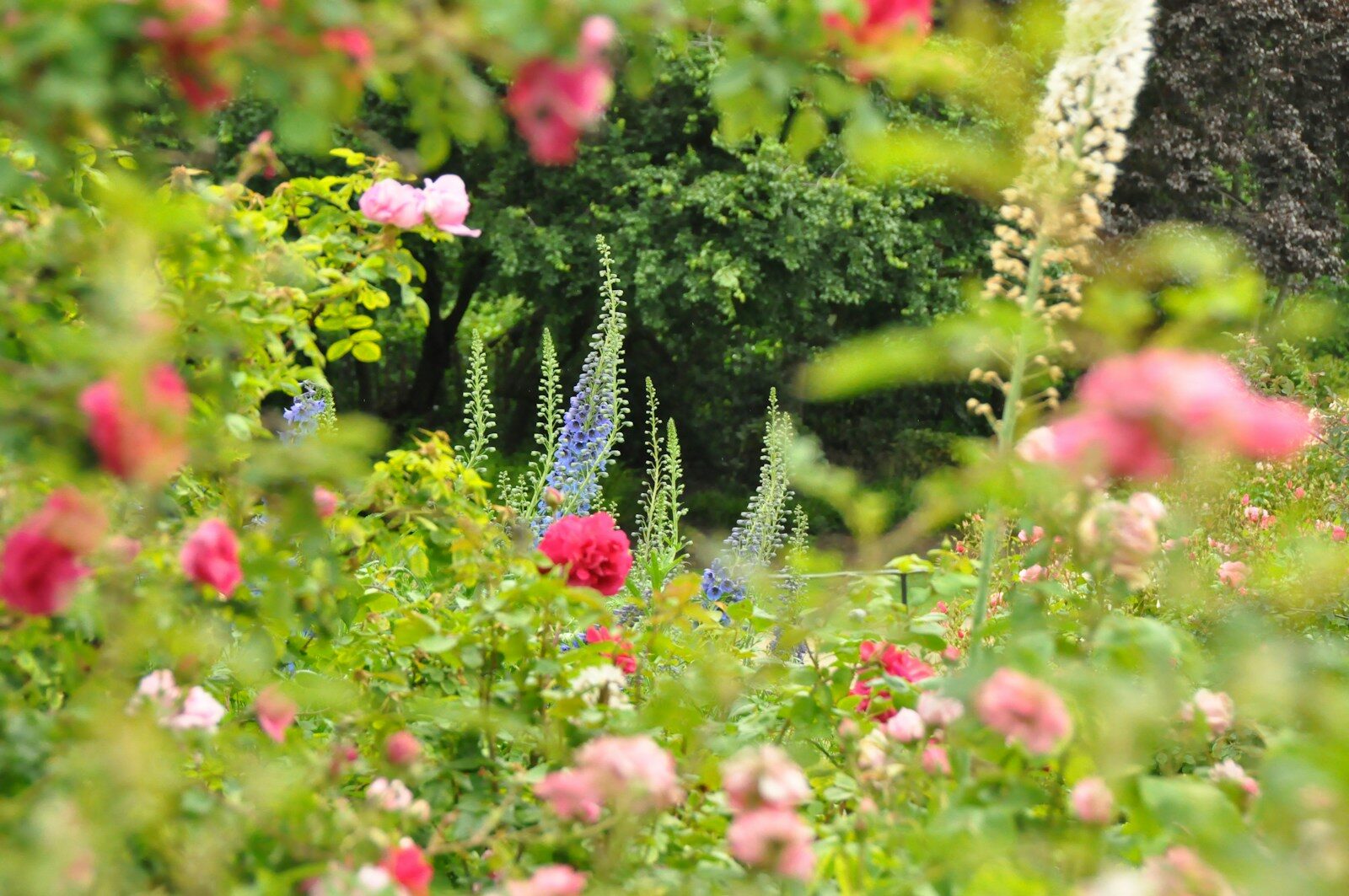
It is designed by Professor Nigel Dunnet (University of Sheffield) and three-time Royal Horticultural Society (RHS) Chelsea Flower Show medallist Sarah Price. The garden incorporates aromatic species such as rosemary, sage and oregano alongside native and tactile plants including lamb’s ear.
This creates a low-maintenance space that encourages active engagement rather than passive observation.
But the garden is not simply about enjoying nature. It reinforces the ongoing research and claims that nature contributes to recovery and supports the overall health of the patient.
According to the NHS Forest blog, patients with access to green spaces, or even a view of trees from their windows, have been found to experience faster recovery.
This initiative is in line with environmental psychologist Roger Ulrich’s Stress Reduction Theory. He stated that individuals show a positive emotional response to nature, which helps them reduce stress levels.
Ulrich’s theory states that humans respond positively to nature. The question now arises as to why individuals can connect with nature so easily. The Biophilia hypothesis explains this. As the name suggests, humans are “biophilic” or have the innate tendency to seek connections with nature.
This leads individuals to experience positive emotions such as calmness and happiness.
To conclude, this initiative by King’s College Hospital is incredibly promising and represents a significant step towards incorporating nature into healthcare.
Researchers from the hospital will continue to observe the patients in the garden to assess its long-term effects on their physical, cognitive and physiological health.
It is hoped that findings from this initiative will encourage other hospitals and medical centres to adopt a similar model, highlighting the major role of nature in improving patients’ lives.
About the author