Staff Writer Polly Symes shares lessons from the highs and lows of 7 weeks working in an Italian kitchen.
Working as a cook in an Italian restaurant in my hometown of Eastbourne was my dream summer job. One that I almost couldn’t believe I had managed to land. Although 7 weeks seems a very short time, I learnt how to prepare everything in 2 days. The job also offered me insights into what the restaurant business looks like behind the scenes, and showed me how swiftly bonds of friendship form in the chaotic blur of cooking.
Here are 7 lessons I will bring with me in my future career in food.
1. Women working (for money) as cooks or chefs is still rare
On my first day at the restaurant, the other (male) cook asked me, “Are you sure you want to be working in the kitchen? Most women want to work front of house. It’s hot, hard work back here. Don’t you want to be a waitress?” “No” I replied, “This is exactly where I want to be.”
Over 7 weeks, the (male) restaurant owner subjected me to constant inappropriate comments. He would tell me I was pretty, ask if I had a boyfriend, offer to find me a husband, tell me sexual anecdotes and give me unsolicited relationship advice. Being a woman was an important lens through which my colleagues, and my boss, saw me. Ironically, women do far more cooking than men, but it happens in the home, unpaid. When a woman gets paid to cook, she is a rarity, often subjected to inappropriate comments by men. The only way to stop them is to call them out.
2. Most of the shouting that occurs in a kitchen is not personal
During rushes, restaurants are hectic places, especially kitchens. Huge vats of boiling liquids are being transported, gas stoves are burning and knives are racing across chopping boards. When someone is in the way or makes a mistake, the high energy can lead to shouting, if only for safety purposes. Unfortunately, the chaos of the kitchen sometimes bubbles over and more personal fights erupt. I witnessed this only once, and it was disturbing. I wish this wasn’t so normalised in the restaurant business.
3. Preparation is everything
What the customer sees in a restaurant, I discovered, resembles what an audience sees in a theatre: a fraction of the work going on behind the curtain. When the image of ‘cook’ or ‘chef’ comes to mind, you might envision someone flipping something, stirring a sauce, or plating a fabulous dish.
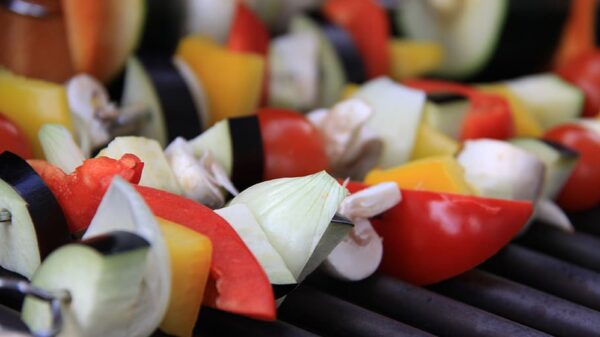
But with only two cooks in the kitchen, there was no one else to do prep work. So we prepped, we cooked, and we cleaned at the end of the shift. Some days, we were also expected to wash up in between preparing dishes. If I didn’t come in early to slice 2 huge crates of mushrooms, a crate of onions, and a crate of peppers, none of the ‘cooking’ could take place with any efficiency. As a result, now when I cook at home, I make sure everything is prepped before I turn the stove on.
5. Fires aren’t always a problem
There is something in human nature that makes one instinctively step back or flinch when a fire erupts. But I learnt to predict the bursts of flame that frequently exploded in the pan. Which combinations of ingredients led to them, such as the brandy and cream used in a sauce for roast chicken. And how to use the fire instead of being afraid of it.
6. Back of house staff do (sometimes) eat your leftovers
Occasionally in the restaurant, plates would be cleared when their contents were untouched. Whole pizzas would arrive back in the kitchen, destined for the bin. Unsurprisingly, when hungry waiters brought these plates back to the kitchen, they would often stop to scarf down a slice. During my mid-shift break, I also learned to take leftover food to the basement to eat and decompress in the dark and cool room. Say no to food waste!
6. Distraction is dangerous
In 7 weeks of being paid to cook for countless customers, I did not cut myself once. Whilst this was partly due to the quality of the knives that we sharpened daily, I know it was also due to the immense focus that I kept while on the job. Meanwhile, at home, I sliced my finger whilst opening a tin of dog food, because I was more focused on chatting to my mother on the phone than the task at hand. Pay attention!
7. The rush is what makes it worth it
Restaurant work is always hot, demanding and hectic, especially amidst a record-breaking heatwave. Yet I found the most difficult times to be the lulls spent leaning against counters, waiting for orders to come in. But when the rush comes: when you’re cooking for multiple tables of over 10 people, when there are 6 pans over open flames that you are responsible for, when you’re spinning and plating and ringing the bell and shouting, “Lasagne, table 9”, you feel alive.
You don’t check the clock, the hours rush by, and you’re left grinning on an enormous high. And that rush of energy, of adrenaline, of pure focus, almost like meditation, without a thought in your head outside of ‘carbonara’ or ‘arrabbiata’ or ‘vongole’ makes it all worth it.
To read more of Roar’s personal essays, click here.
About the author