
Guest Writer Daniela Denyer reflects on Danny Ocean’s London show as a reminder that Latin America is more than a social media “aesthetic” – it’s a living culture shaped by migration, struggle, joy, and a stubborn hope for home.
Through social media, trends, and ‘aesthetics’, being Latino has gone from being something exotic, weird or shameful to now being what everyone wants to be. It’s the fun and cool Pinterest aesthetic that everyone wants to replicate, with a caribbean summer, braided hair and fruit for breakfast to post online. Yet somewhere between those mango breakfasts and sunset playlists, artists like Danny Ocean began to soundtrack the fantasy, not as a caricature of Latin America, but as one of its most honest exports.
But our generation of Latinos, and probably every other one before us, grew up with a different vision of what being Latino meant. We are proud of our culture and traditions but before anything else, we are proud of our kindness and joy, of the way we always welcome everyone with open arms.
Yet we were also taught that we couldn’t be too trusting, that we weren’t wanted in other places, we were only recognised abroad for the shortcomings and violence of our countries. Before social media made us popular, we were too loud, too extroverted, a bit too crazy. And our parents and grandparents were taught to feel some guilt about us not being as ‘cultured’, ‘organised’, or ‘advanced’ as ‘first-world countries’ are. My mom was truly, completely shocked last month when I sent her a picture of a pothole as big as a car itself in Cambridge… she thought that only happened in ‘our countries’.
With social media turning culture into something to curate and consume, Latin America has become an aesthetic to be replicated. Bright tiles. Sunny streets. Mangoes cut perfectly for breakfast. Gold hoops. Salsa in the background. What was once dismissed as ‘too much’ is now marketed as vibrant and desirable. And in the middle of that shift, Danny Ocean did something unusual: he refused to flatten us. His music carries romance, yes, but also migration, distance, longing, and survival. He sings about love, but underneath it there is always geography, exile, memory.
And yes, there is something powerful in that shift. Seeing our music, our food, our slang, our warmth celebrated instead of mocked has allowed many of us to feel pride without apology. It has forced the world to admit what we always knew: there is richness, creativity, and life in our everyday routines. The ordinary suddenly looks golden when you realize not everyone wakes up to it. And when thousands of us scream his lyrics in unison, it does not feel like an aesthetic. It feels like recognition.
But an aesthetic is selective by design. It captures colour, not context. It posts the fruit stand, not the informal labour behind it. It romanticises the colonial balcony, not the inequality that lives behind the door. Our “normal” is not just tropical light and loud laughter. There are also protests in the streets. It is economic volatility that shapes family decisions. It is insecurity that teaches you to be alert before you learn to drive. It is political instability that seeps into dinner table conversations.
The Latin America that trends online is real, but it is incomplete. And when culture is flattened into mood boards and makeup looks, the structural realities disappear. Inequality becomes invisible. Violence becomes background noise. History becomes décor. We can celebrate beauty without denying the weight. Both exist. And both are ours. We love our culture and our countries, but we are also immigrants and workers and fighters, because that’s the universe’s price for giving us the best culture on earth.
And so lately the situation has become this: our ‘aesthetic’, food, and music is wanted everywhere, but we aren’t. Our artists and musicians are defended, but our crises and fights are forgotten by the world. We are not relevant enough to be in your news channels, we’re only colorful enough to be in your Pinterest.
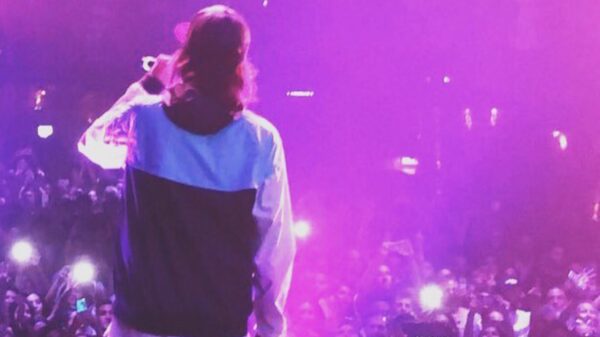
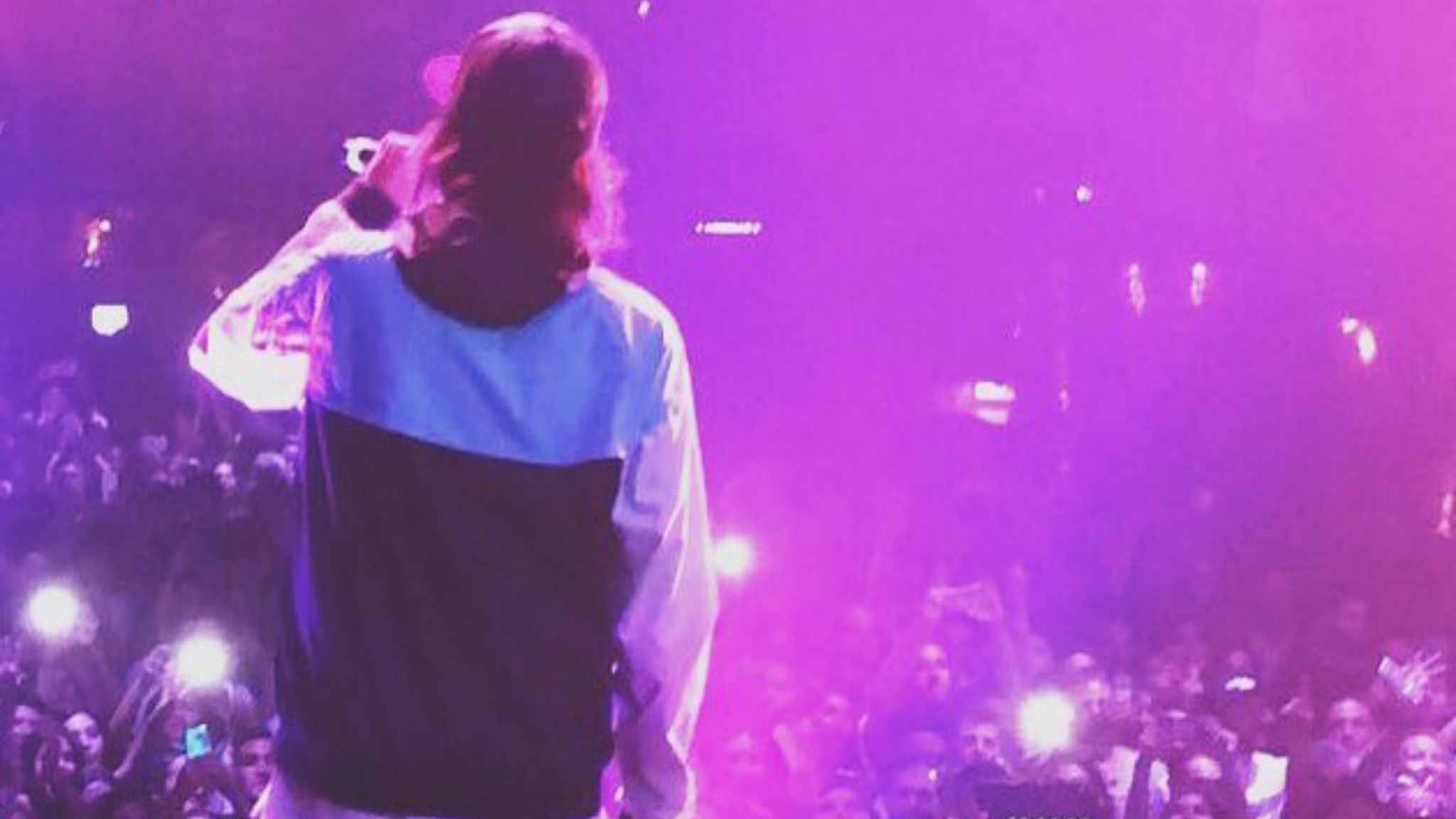
Except that when Danny Ocean steps onto a stage, that contradiction becomes impossible to ignore. Because he is not just exporting rhythm, he is exporting a generation’s resilience. In him, the beauty and the fracture coexist. And for two hours in his London concert last week, Latin America was not an aesthetic. It was alive, loud, complicated, and hopeful.
On 17 February 2026, what passed as a random Tuesday for most Londoners, was actually the day where many of the London and wider UK latinos all met in one place. Most of us didn’t know each other, we only knew the friends we went with. But we all felt the same thing when Danny Ocean got on stage – we’re all on the same boat, we’re all far from home, and home does mean something so different to us than it does to the rest of the world.
And when Danny Ocean celebrated Venezuela’s path to freedom that is looking more hopeful this year, we all felt the same joy, the same excitement, the same strength in unity. Because that means there’s hope for all of us too. There’s hope for Peru, even if they’ve had more presidents than any other country in the past seven years.
There’s hope for Argentina after the economic hardships of the past decade. There’s hope for Colombia, even after 60 years of armed conflict. There’s hope for Mexico, even with the corrupt government that seems to have its claws dug in deep. There’s hope for Nicaragua and Cuba to be free one day from their dictators. There’s hope for political freedom in El Salvador. There’s hope for prosperity in Guatemala. There’s hope for safety for women and less inequality in Brazil.
There is still hope. And hope is the last thing you lose.
Hope is what our music, our art, our food and our love carries. Your aesthetic is our hope. And we love to share it, don’t get me wrong, but we also need to be heard and welcomed further than the trends and colors on a screen. We need our stories taken seriously, our struggles acknowledged, and our presence valued not just when it entertains, but when it demands dignity.
Danny Ocean single-handedly has carried that beacon of light for years and shared it with the world, and when he came to London last Tuesday, he brought back that hope to those of us who are far away from home. But more than that, he reminded us of the community we still have here, of how many of us there are, and how, even when we don’t realise it, we are family to each other on this side of the pond.