Staff writer Siriol Hughes debates over whether Florence and the Machine merits recent media comparisons to Kate Bush.
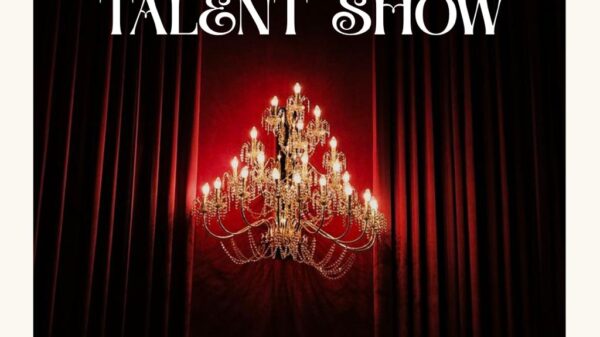
Chandeliers adorning the ceiling, a table of cobwebs, and an ethereal, pale dress: Florence and the Machine embodied a Miss Havisham-esque figure during her 2023 Dance Fever Tour in London. 45 years ago, a similar event occurred in the form of Kate Bush’s iconic “Wuthering Heights”, which saw the singer adopt the similarly gothic role of Catherine (‘Cathy’) Earnshaw from the titular Emily Brontë novel. In the 90s, British tabloids equally labelled Bush herself a “rock and roll Miss Havisham“, which seems like a distinct archetype that she has at times lent into. Looking at the trajectory of Florence Welch’s image up to today, the parallels between herself and Bush are undeniable: so is it fair to claim that the former is the Kate Bush of our generation?
Although both artists are distinguishable, it is convincing to suggest that Florence has adopted the role of a Kate Bush figure over the past decade. The wistful-woman theme is at its most triumphant within both artists. Beyond the image they both share, both singers present a distinctly unique sound, with echoing vocals that really do send shivers down one’s spine. The energy created by both artists is enviable, with the jig-like dance performed on Florence’s current tour creating an echo of the brilliant “Jig Of Life”, a Bush song which is any folk-lover’s dream. Beside the monumental energy that both singers succeed in delivering time and time again, the distinct harp sound in some of both artists’ music is fantastic. The sound of the harp echoing through the 02 Arena during Welch’s January performance was truly transcendental.
Despite the notable similarities between both female artists, Florence has previously denied sounding like Kate Bush. Of course, both artists are individually distinguishable, and their sound varies, as is bound to be the case given the different musical eras that they are from. However, Welch has also noted that Bush has been a major influence for her artistry more generally. While the argument could therefore remain that Kate Bush’s sound is subconsciously channeled through Florence’s work, this connection importantly doesn’t seem to detract any value from Florence’s beautifully unique sound, and how it has developed into something of its own; rather, it only provides another link in the chain of hugely successful female indie artists over the past few decades.
Aside from all this, both women have also excelled in pushing through a heavily male-dominated landscape. Bush was revolutionary in bursting barricades for women in pop in her era, and at the humble age of 19, her music skyrocketed to No. 1 in the UK charts in 1979. Similarly, at the youthful age of 25, Florence released her band’s debut album “Lungs”, which subsequently won the Brit Awards for “Best Album”. Both women and their cult-like following have created and reaffirmed a platform for women in the industry, which is still critically under threat as demonstrated by the meagre amount of female nominations for this year’s Brit Awards. The influence that Bush has had on current female artists is significant. Although Florence’s scope of influence has not fully revealed itself yet, as she is still in her prime, we can expect it to only grow from here.
The main parallel between both artists that stands out is the universal themes running firmly through each of their discographies, forming timeless bodies of work that will have their place time and time again. With the rebirth of “Running up that Hill” trending over social media following the latest season of Stranger Things, we can only wonder which Florence song may have a similar revival in the 2050s. Whether it’s “Dog Days are Over” or “This Woman’s Work”, both songs demonstrate a triumph against the struggle that women in the industry face: highlighting that much like Bush, Florence herself, will be here to stay.