
Staff Writer Ben McWilliam outlines the controversy and details surrounding Rachel Reeves’ budget.
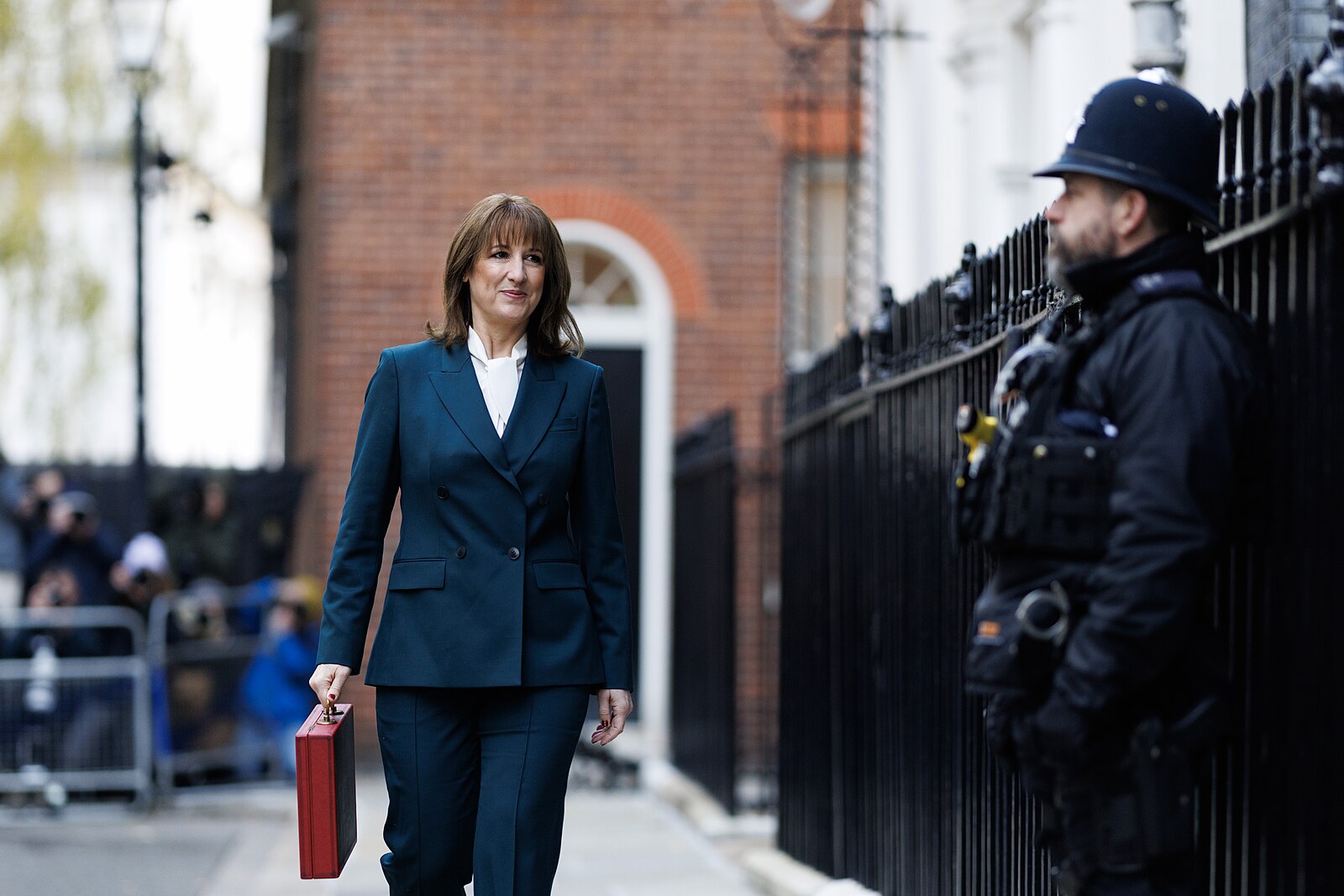
In the weeks leading up to Rachel Reeves’ second budget as Chancellor, anticipation among lawmakers and the public reached a fever high. However, just an hour before her statement in the Commons, a leak from the Office for Budget Responsibility (OBR) raised significant doubts about the government’s financial plans. Leader of the Opposition, Kemi Badenoch emphasised the severity of recent leaks and called for an investigation. The former Chief Economist of the Bank of England argued, ‘Labour’s fiscal fandango is the single biggest reason why [economic] growth has flatlined.’ Addressing the House, the Chancellor expressed disappointment over the leak but quickly redirected the conversation, emphasising how Labour are ‘rebuilding our economy.’
On the 1st of December, the Head of the OBR, Richard Hughes, resigned. In his resignation letter, he described the leak as ‘a technical but serious error’ and stated that the ‘Office will take to ensure that it never happens again.’ He explained that stepping down was ‘in the best interest of the OBR … and [he] takes full responsibility to the shortcomings identified in the report.’ Chancellor Reeves thanked him ‘for leading the OBR over the past five years and for his many years of public service.’ His resignation will likely be viewed as a positive signal for the government, as it separates the negative narrative surrounding the leak from an administration that needs to deliver positive results, not as defined by administrative errors.
Though, how resilient is our economy under the current Chancellor and Labour government? According to a YouGov poll, 57% of all adults believe Labour have not kept their promise not to increase income tax, VAT or National Insurance. However, 1.7 million people will see a rise in their tax bill as a result of the income tax threshold freeze which is now extended by three years. Reeves admitted in her 2024 Budget speech it ‘would hurt working people’ and the Labour Party’s 2024 Manifesto vowed not to raise taxes on working people. Therefore, critics including Kemi Badenoch and Alex Burghart argued the Chancellor has misled both the public and cabinet on this issue with Badenoch calling for a resignation. Critics have also rightly described this move as a “stealth tax.” Unsuprisingly, the PM’s chief secretary Darren Jones, came out to defend Reeves, stating he did not feel misled ‘in the slightest.’
The investment firm Hargreaves Lansdown has calculated that someone earning £50,000 this year will pay £8,165 more in tax between 2020 and 2031 as a result of the extension. Other specific tax increases, often referred to as “fun taxes,” include hikes in gambling and gaming duties, along with elevated taxes on tobacco and alcohol. Additionally, taxes on savings and dividends have also risen, raising £2.1bn by 2029-30. As a result, the British population now faces the highest tax burden since 1948, with an estimated £12.4bn expected to be extracted by 2030-31. This has pushed tax-to-GDP ratio to 38.3%, a fresh post-war high.
So, what do British taxpayers gain from being burdened once again? The Chancellor announced her intention to reignite economic growth and investment in the UK with a change to the rules governing Cash ISAs. Reeves stated that contributions to Cash ISAs will now be capped at £12,000, requiring taxpayers to invest the remaining £8,000 into investments to take full advantage of the £20,000 allowance. But in reality, this is simply a nanny-state overreach, as the government is dictating how individuals manage their finances, thus infringing on our financial freedoms. The proposed changes to regulations could significantly harm savers and pensioners who have invested their hard-earned money in FSCS-protected Cash ISAs. But with these changes, Brits are now compelled to move their funds into volatile investment shares that risk losing value at any moment, jeopardising their financial security.
The Chancellor’s assertion that these changes will spur economic growth raises significant questions, especially in light of her previous budget. The OBR has upgraded its growth forecast from 1% to 1.5%, which sounds positive, although it is lower than the optimistic 2% from October 2024. However inflation stands at 3.6%, nearly double the Bank of England’s target of 2%. Additionally, the unemployment rate (the percentage of the economically active population who are unemployed) was 5.0%, up from 4.3% a year before.
Given these challenges, there is a prevailing pessimism about whether this budget can outperform its weak predecessor. Many, including Kemi Badenoch, Nigel Farage, and Shadow Chancellor Mel Stride, believe that Britain must mitigate the tax burden on its citizens and implement more significant cuts to the out-of-control government spending. Under this Labour government, borrowing is on a troubling rise, projected to reach 4.5% in the fiscal year 2025/26, the highest level outside of the COVID-19 pandemic. This rise prompted the Leader of the Opposition to fire back across the dispatch box, stating, ‘The government is paying more to borrow than the 14 years when the Conservatives were in power,’ leading to large jeers from the Labour backbenches and hears from Conservative MPs.
Whilst there has been vast negativity and anxiety surrounding this budget, it does get some-things right. Young people, students, and recent graduate’s over-21 seeking part-time work can look forward to a rise in the minimum wage, which will increase to £12.71 from April 2026. This change is expected to boost consumer spending in the economy without causing an immediate spike in inflation. The Conservative Party may also take some comfort in this outcome, as the move was informed by advice from the Low Pay Commission for a “real-terms” wage increase. This strategy echoes former Chancellor George Osborne’s introduction of the National Living Wage in 2015. This successfully lifted 1 million children out of poverty and every authoritative economic study concluded that it brought no negative employment effects. However, in April 2025, it was estimated that retail and hospitality in London face extra £2bn in costs. This financial strain could threaten jobs for individuals aged 21 and under, and exacerbate an already troubling youth unemployment rate.
The abolition of the two-child benefit cap proved to be the most divisive topic of the budget. Reeves argued that her party did not believe ‘the solution to a broken welfare system is to punish the most vulnerable children.’ This statement is commendable; however, the welfare system is already strained and requires comprehensive reform. Abolishing the cap will cost £3bn a year by 2029-30. Tories have criticised the decision, arguing people on benefits should have to make the same financial choices about having children as everyone else. The Sun highlighted while a single parent with three children can currently claim £20,978 annually in benefits, they will now be able to get £24,491.
On a more positive note, the controversial Non-Consensual Conception Exemption (NCCE), commonly referred to as the ‘Rape Clause’ will be gone for good. This exemption allowed Universal Credit to be granted for a third child, beyond the existing cap, if the child was conceived through non-consensual means. The clause required victims to endure a lengthy process to prove their circumstances, which often compounded their trauma and humiliation. While the removal of this clause marks a positive step forward, the lasting impact of its eight-year legacy continues to affect the lives of the women who had to navigate this painful experience.
The NHS continues to be well-funded by this Labour government, a norm of sorts, as Chancellor Reeves announced £300 million of investment in technology to improve patient service, and 250 new neighbourhood health centres. Expanding more services into communities so that people can receive treatment outside hospitals and get better, faster care where they live. More than 100 of those centres will be delivered by 2030. A prescription freeze at £9.90 will also continue until 2029, saving patients around £12 million next year. The funding also aims to continue tackling one of the NHS’s most pressing issues: reducing lengthy waiting times for medical appointments. One could criticise this budget till the end of time, but one thing Labour seemingly never fails at, since the services’ inception, is supporting and funding the NHS.
The Autumn Budget on 30th October 2024 and the Spring Statement in March 2025 have proven to be lacklustre, and this one seems to be following suit. If Rachel Reeves and, more critically, the Prime Minister want to maintain their grip on power beyond the next election, they must prioritise growing the economy. This can be achieved not through increased borrowing or heightened taxation, but by defying their backbenchers’ threats of revolt with strategic spending and tax cuts. The government needs to start fostering significant business investment, through reducing corporation tax, allowing companies to retain more profits for reinvestment and job creation, which would ultimately drive long-term economic growth. Additionally, cutting or freezing capital gains tax and dividends tax would enable hardworking Brits to save more from their ISAs and retirement funds, promoting a culture of hard work and making retirement more attainable.
Without significant reforms, the current government risks being replaced by a rising populist movements like Reform UK or a coalition between the Conservatives and Reform. Whilst unlikely now, it could later become possible as coalition-building politics comes into play; potentially resulting in a major political shift.

Economics & Politics Writer / MA International Political Economy