Roar writer Salma Durrans on if the controversial Texas abortion ban could act as a catalyst to roll back decades of progress on women’s reproductive rights
Abortion has been one of the most controversial issues in the United States. Recently, the passage of the new abortion restriction in the state of Texas, has re-ignited old tensions between those who say that the procedure is a woman’s choice and others who contend that it’s immoral. The Texas law, referred to as the “Heartbeat Act”, bans abortion when a fatal heartbeat is found, which can be as early as six weeks into pregnancy. For reference, many women only realise they are pregnant between four to seven weeks. The punitive law, passed by Texas’ Republican-controlled government, allows for doctors who perform an abortion after six weeks to be sued.Â
To be clear, these types of laws are not new. Similar bans have been proposed in states such as Arkansas, North Dakota, Georgia and Iowa. However, they have always been successfully challenged and struck down in court as they violated the Supreme Court’s 1973 decision in “Roe v. Wade”, which legalised abortion across the US. The Women’s Health Alliance president and CEO Amy Hagstrom Miller contends that restrictions like these “don’t do anything to reduce the need for abortion, they’re just blocking people from getting safe abortions.â€Â
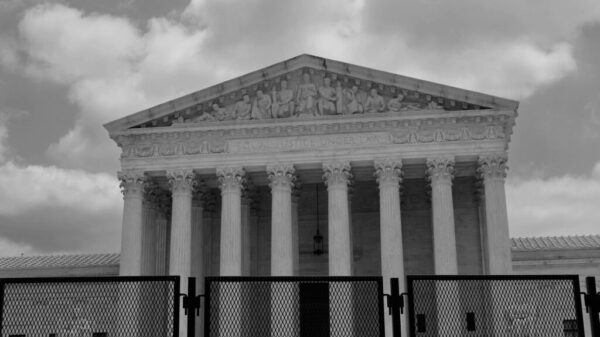
However, this time, when Texas Governor Greg Abbott signed the Heartbeat Act into law the Supreme Court did something unusual: nothing. This is the first law contested under a new Supreme Court, with a 6-3 conservative majority. This change in composition happened last year after former President Donald Trump rushed to confirm Judge Amy Coney Barrett before he subsequently lost the presidential election to Joe Biden a week later. This move was harshly criticised by Democrats, abortion rights activists and others as a power grab by social conservatives. Justice Barrett, along with other Trump-appointees Justices Brett Kavanaugh and Neil Gorsuch, have been vague on where they stand on “Roe v. Wade”, which worried abortion rights advocates.
Their nervousness only grew when, in early September, the Supreme Court refused to immediately strike down the Texas law. Since then, the President Joe Biden’s administration and countless abortion providers have joined the fight against the new restrictions. Supreme Court Justices opened the door to hearing oral arguments, which occurred earlier this month. Reportedly, even some of the conservative Justices were skeptical of the Texas law, an encouraging sign for abortion rights supporters. The Supreme Courts final decision is expected soon.
However, amidst the legal fight, the ban has been in effect for 2 months now, and has effected abortions massively with the procedures being halted during all of September. The Texas law has also inspired other Republican-controlled states to try their hand at passing abortion restrictions. A new Mississippi abortion law states that most abortions become illegal after 15 weeks of pregnancy by arguing that the foetus makes important physical developments after this stage and that abortions can become riskier for the mother. The Jackson Woman’s Health Organisation gave evidence towards the fact that fatal viability is not possible at 15 weeks into a pregnancy. The Supreme Court will hear arguments on this law as well. New restrictions are also being signed into law in Oklahoma, South Dakota, Montana, Tennessee, Ohio and New Hampshire though some have been blocked by low-level courts.
Abortion bans have brought a discussion about an ever broader issue: the oppression of women and their bodies. Slogans such as “my body my choice” have gained global recognition, with influential figures such as Emily Ratajkowski and Amy Schumer advocating for it.
The application of the Texas abortion ban on September 1st gave way to a wave of protests across the United States and the world. It has reincarnated a discussion about many of the issues women face, not only in regards to abortion, but systemically deep rooted issues in society that have held women back for centuries. The Supreme Court is expected to issue its final decision on the Texas Abortion Law on Monday but this is only the beginning of the battle over women’s rights.Â
About the author