Roar writer Theodore Nash on post-Brexit deregulation of pesticide and how its toxicity to pollinators could harm the national environment.
Of all the things we were promised from Brexit (more jobs, new passports, and £350 million a week) Farage forgot to mention the deregulation of pesticides…I wonder why. While our farmers doughnut their tractors in joy at the prospect of fewer diseased crops, our little apian friends are buzzing with dread.
The insecticide in question today is thiamethoxam, part of the neonicotinoid family; its role is preventing viruses from infecting crops. It works systemically; instead of simply coating the plant, it is absorbed by the plant through the roots and transported throughout the plant. However this chemical has unintended, scientifically proven side-effects.
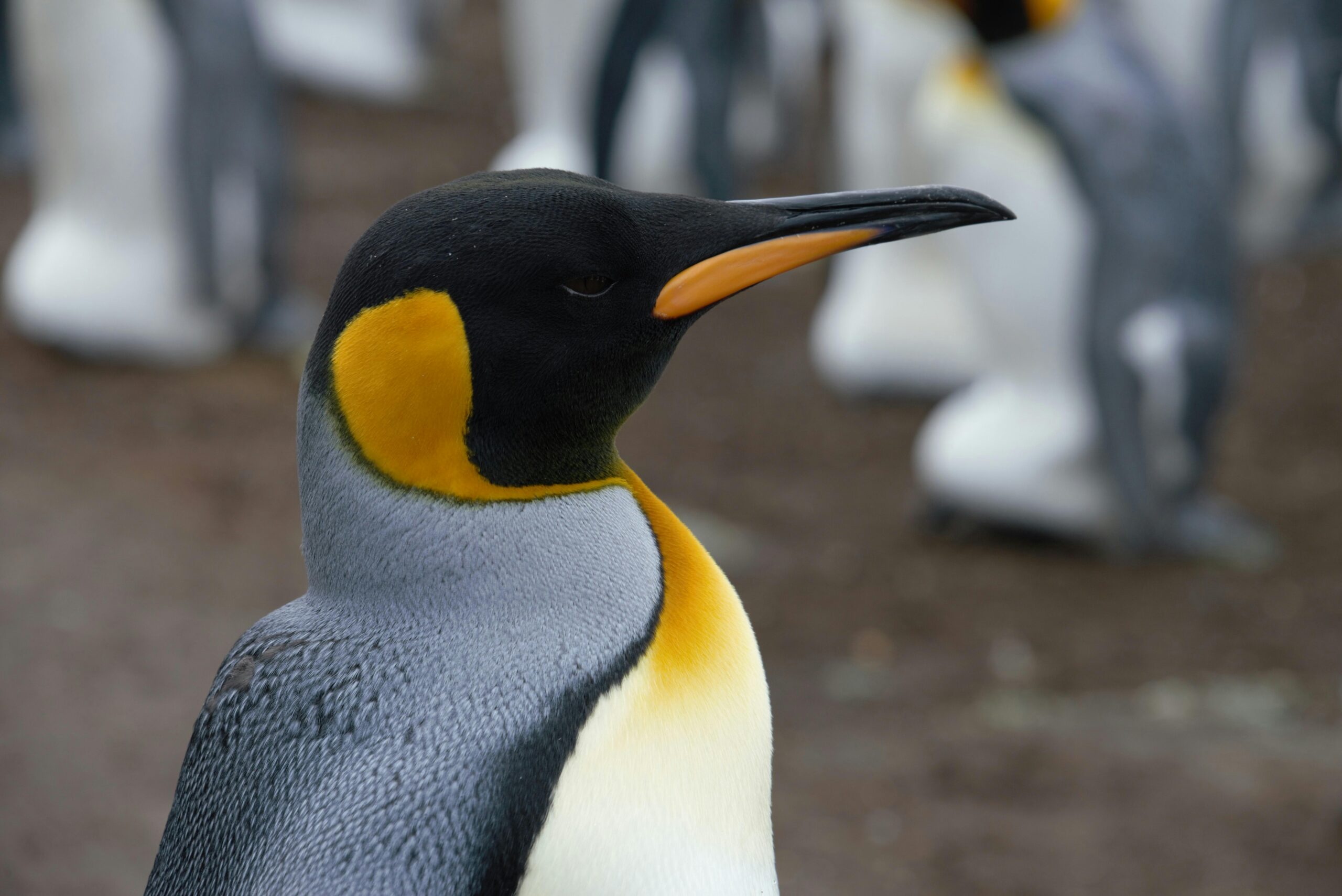
An EU report mentions risks to “groundwater, aquatic organisms and bees”, and strictly advises indoor use only. The biggest hazard posed by this chemical is to honey and bumble bees, the latter of which are endangered. In fact, not only is thiamethoxam highly toxic to them, but exposure often leads to “paralysis and death“. Furthermore, at lower doses their “foraging is impaired” and as a result populations are declining. But how does this affect your average Joe?

© Lisa Fotios
Imagine a world in which fruit prices have tripled, biodiversity has halved and the world’s most populous job is professional pollinators – this is a world without bees. In the process of getting nectar, bees facilitate reproduction (and therefore fruit production) between plants, pollinating “75% of the world’s flowering plants” and a large proportion of our crops, from apples to almonds.
It’s estimated it would cost the UK £1.8 billion a year to do their job. That’s more than double KCL’s annual income. These amazing organisms prop up the world’s economy, along with the medicinal and agricultural industries. Yet over 20 000 species of bee are endangered (worldwide), and that number only seems to be getting larger. It’s good to see the government getting hands-on to further reduce our biodiversity, in favour of short term economic benefits.
But is this a microcosm of a bigger issue? Are the government legislating for the sake of change? Now that we’ve officially left Brussels’ grasp, were they enthused to demonstrate that they’ve “taken back control”? Or, perhaps they’re trying to dig us out Covid-19’s economic sinkhole, scoop by scoop?
The additional £350m a week has miraculously not materialised. Arguably a majority of the PM’s time since 2016 has been taken up by Brexit and its political aftermath (two PM’s resigning, two general elections, 3 trade-deal rejections etc). A considerable proportion of the estimated £2 billion spent funding Parliament in this period has vaporised in this frankly baseless charade. UK fishing rights were aimed at “80% of the EU catch” – we only got 25%, by 2026.
As for immigration, bankers are far more likely to be granted visas than nurses (a salary threshold of £25k exists as part of the government’s point-based system). Immigrants are still “taking our jobs”, just now they’re exclusively “taking” the higher paid ones.
As a self-diagnosed pessimist, it’s difficult to see any sort of benefit to our leaving…but Brexiteers reading, do feel free to enlighten me in the comments below.
About the author