Roar writer Maria Malik on the Pakistani Day of Independence, her experiences as a British-Pakistani, and how she views the concepts of freedom, independence, and history in both countries.
“When is British Independence Day?”, asked my younger cousins on one of my trips to Pakistan as we spoke about British and Pakistani culture. This question, which makes me laugh now, caught me very off-guard. It took me a few minutes to formulate a response, which to my despair and their disappointment, was: “We don’t have one.”
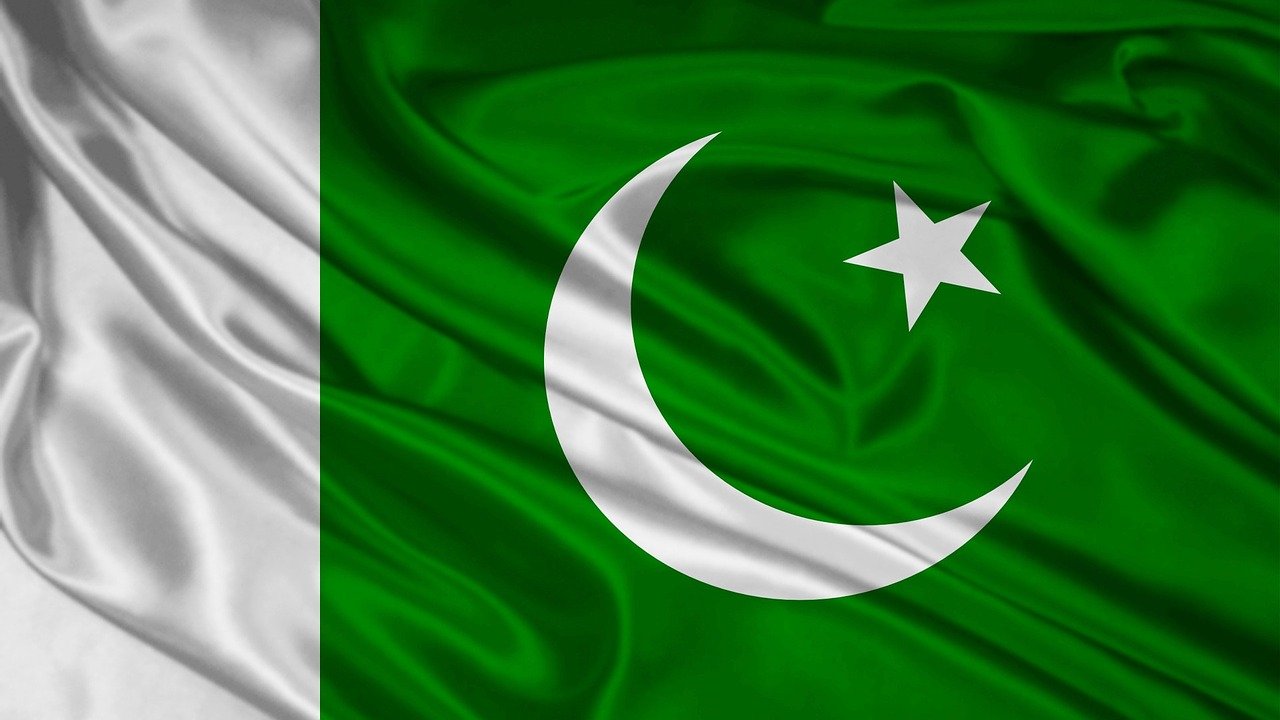
The actual Day of Independence in Pakistan ushers in a sort of national euphoria, best described as a huge “birthday party”. Families spend time together and gather to hear tales inherited from their elders about life under British rule. Outside, there is a sea of green. Processions of cars drive past, flags wave out of windows, fireworks crackle, patriotic music blares, and chants of “Pakistan Zindabad!” are uttered throughout.
Seeing almost every car flying the flag filled me with a novel sense of pride, and evoked a unity impressive for a country so diverse; uniting under one national identity, if only for one day.
This made the experience as bittersweet as it was beautiful. I never felt fully able to enjoy Independence Day in all its vibrancy, as I was always aware of the fact that whilst everyone celebrated the end of British rule, I was intrinsically tied to it, benefitting by residing in the land of the former coloniser.
Having grown up in Britain, I hadn’t often thought about ideas of “independence†or “freedomâ€. I never really had to in the same way that those living in former colonies do. As a result, the idea of an Independence Day in itself confused me, as this was something I had always taken for granted. The fact it was actually celebrated was an even bigger surprise, rather than it being just an honorary holiday.
Despite colonialism forming such a large part of British history, it seems odd that it is almost completely absent from the national curriculum. This puts Brits at a collective disadvantage; we are so unaware of the impact our country has had in shaping so much of the world’s history. This also made for some awkwardness as I listened to my cousins talk about the history of British presence in Pakistan, as I was largely – if not totally – unaware of the whole struggle for freedom Pakistan had endured. I had missed out on the chance to unite these two sides of my identity, these two histories, in my head; there were too many gaps in my knowledge.
Being British-Pakistani, it feels like you are always aligned with the minority, wherever you are. When in Britain, you are seen as Pakistani and your Britishness is overlooked, while the opposite is true in Pakistan. This can make discussing topics such as colonialism and independence uncomfortable. As people talk about what “the British” did to the country, it feels as if there is a somewhat accusatory tone in the air. This is quite a complex issue to navigate as, despite not holding any ties to Britain back then, I still feel a sense of discomfort and shame when the actions of colonial Britain are conjoined with my identity by association.
However strange and contradictory the identities of British and Pakistani can be at times, this is ultimately to be expected, given the dynamic between former coloniser and colonised country. Despite this, these identities can also be helpful. I have learnt to deal with owning dual identities by viewing them as linked to each other, instead of thinking I have to pick a “side”. One cultural frame of reference can help inform the experience of the other.
Ultimately, my life experiences have been neither British nor Pakistani, but British-Pakistani – just as the label would suggest.
About the author