Science Editor Anoushka Sinha explains how a flawed study from 27 years ago led to one of the largest medical conspiracy theories of our time.
Just eight months and two days into his tenure as the 47th president of the United States, Donald Trump once again stunned the world by making another health claim unsupported by scientific evidence.
In a public address in the White House on 22 September, President Trump told the world that autism was linked to women using Tylenol (a US paracetamol brand) during pregnancy, calling the world’s most popular painkiller “no good”.
Later, on 19 November 2025, US government agency Centers for Disease Control and Prevention (CDC) updated their website to state, “The claim ‘vaccines do not cause autism’ is not an evidence-based claim because studies have not ruled out the possibility that infant vaccines cause autism.”
There was an immediate outcry from members of the scientific community, as well as autistic communities.
The CDC has, until now, been a reliable source of medical information for people all over the world.
However, since the appointment of prominent anti-vaxxer Robert F Kennedy Jr (RFK Jr) as the US Health Secretary and the consequent defunding of scientific institutions in the USA including the CDC, US government sources have come under question.
In October 2025, whilst writing about Parkinson’s disease, Roar was shocked to find that the US government agency National Institutes of Health (NIH) had a warning on the top of a page on Parkinson’s disease, stating that due to a lack of funding, the page could be outdated.
Now, that same page is no longer available.
Medical scepticism in the US administration is rampant and without accurate up-to-date information, patients will suffer.
The rise of anti-vaxxers has caused several previously controlled diseases to resurge. The World Health Organisation (WHO) has reported that meningitis, measles and yellow fever have been on the rise across the globe.
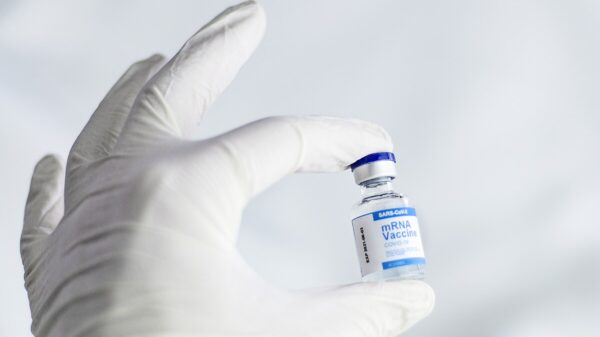
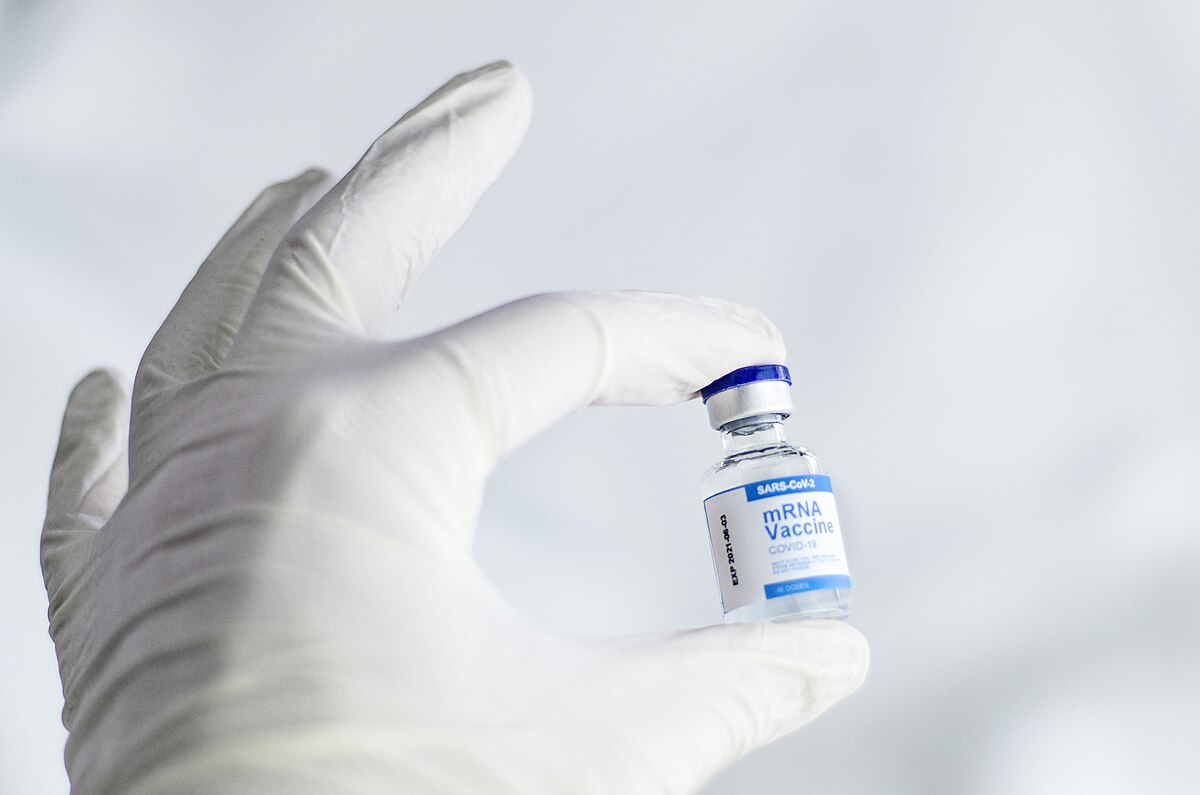
Scientific scepticism has always existed, but when and why did autism become linked to vaccines?
In 1998, The Lancet published a paper by Andrew Jeremy Wakefield on the link between gastrointestinal disorders in children and development disorders. The paper was partially retracted in 2004 and fully retracted in 2010 when Wakefield lost his medical license.
The paper’s findings garnered significant media attention, causing parents to worry about allowing their children to be vaccinated.
However, the paper itself had blatant issues from start to end.
Wakefield had sampled only twelve children for his research, including eleven boys, all of whom struggled with gastrointestinal issues.
By comparison, a collaborative study from King’s College London (KCL) published in 2008, testing the ‘vaccines cause autism’ theory, used a sample of 240 children. The lead researchers included Professors Gillian Baird and Emily Simonoff.
In Wakefield’s research, tests were conducted to investigate intestinal issues and a psychiatric assessment was conducted on all the children.
The results showed no “neurological abnormalities” and the paper shows a table of results describing the causes of intestinal issues.
However, after this point in the paper, another seemingly random table shows autism diagnoses and reactions to the MMR vaccine (for measles, mumps and rubella).
The findings describe:
“Onset of behavioural symptoms was associated, by the parents, with measles, mumps, and rubella vaccination in eight of the 12 children […] All 12 children had intestinal abnormalities”
RETRACTED: ‘Ileal-lymphoid-nodular hyperplasia, non-specific colitis, and pervasive developmental disorder in children’, The Lancet
What is striking here is a lack of diagnoses by the doctors themselves, as well as a lack of explanation.
By comparison, the KCL paper split their sample into 98 children with autism, 52 children with special educational needs and 90 neurotypical children.
All the children tested negative for measles. The resulting graphs showed that all the groups of children had the same number of the relevant antibodies to fight measles.
In scientific research, it is vital to understand the difference between correlation and causation. The paper fails to provide the cause for a possible link here.
Eight out of 12 patients represents only a 66% statistic of the link between autism in this small sample size and the MMR vaccine. Typical studies of this sort require a percentage of 95% to prove a viable link between two phenomena.
The KCL study concluded within 95% confidence intervals that there was no difference between the groups studied; there was no proof of a link between vaccine responses and autism.
Consequent studies by researchers including Brian S Hooker in 2014 tried to find links between autism and vaccines but were retracted due to issues with the method and conflicts of interest. It turned out Hooker was in the midst of ongoing litigations regarding his son’s alleged vaccine injury.
No valid research has been published to date, proving any link between autism spectrum disorder (ASD) and vaccinations.
It is true that more people are being vaccinated today than decades ago.
It is also true that more people are being diagnosed with autism today than decades ago.
However, no credible evidence links the two. Instead of a causal relationship between vaccination and autism, researchers suggest that the increase in both reflects improved access to healthcare and diagnosis in modern societies.