Connect with us

Hi, what are you looking for?

Science & Technology

KCL and University of Bath Reveal Patterns of Cannabis Use and Paranoia

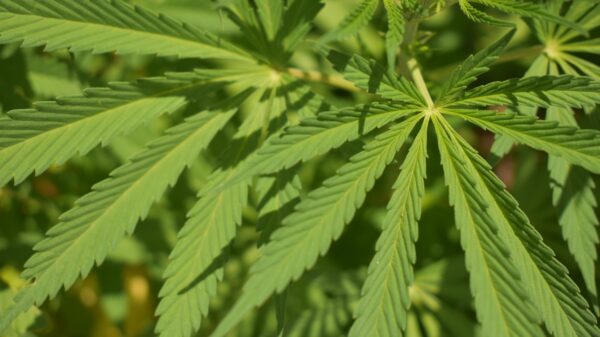
Cannabis sativa plant
Chmee2, CC BY 3.0 <https://creativecommons.org/licenses/by/3.0>, via Wikimedia Commons <https://commons.wikimedia.org/wiki/File:Cannabis_sativa_plant_(4).JPG>

New research from King’s College London (KCL) and the University of Bath shows that cannabis users can be more susceptible to paranoia.

In 2022, KCL launched the largest study into causes, patterns, and effects of cannabis use – Cannabis&Me – headed by Dr Marta Di Forti and funded by the Medical Research Council.

The online survey consisted of almost 5000 participants, cross-referencing a questionnaire on childhood trauma with the Green et al. Paranoid Thoughts Scale (developed in 2007, and widely used to assess paranoid thinking in patients).

Cannabis is the most widely used drug in England and Wales, with 14% of 16- to 24-year-olds using.

The average user consumes 206 units of Tetrahydrocannabinol (THC – the psychoactive chemical in cannabis) per week. Meanwhile, those who use it to self-medicate for anxiety, depression, or because people in the household use it use an average of 248 to 287 units of THC per week.

Two papers published in August 2025 show that the Cannabis&Me study has proven that “Childhood trauma was strongly associated with paranoia” and “Cannabis use significantly predicted paranoia”.

The paper published by BMJ Mental Health concluded, “Initiating cannabis use for self-medication is associated with higher average THC consumption, and increased anxiety, depression and paranoia.”

The negative effects of self-medicating with cannabis due to physical or mental health were prevalent in the results of the study. Self-medicating users show higher weekly consumption, heightened paranoia, and increased symptoms of anxiety and depression.

One-in-five people in the UK suffer from paranoia at some point in their lives

Latest

Comment

Staff writer Manya Pasricha explains how the EU-India free trade agreement indicates Europe’s effort to reduce reliance on China and strengthen economic ties with...

News

This article was first published in print on March 11, 2026. The permanent closure of the Strand’s Greggs on January 5, 2026, has left...

News

Members of King’s College London’s (KCL) Disabled Student Society and other students with seen and unseen disabilities have publicly spoken out about their experiences...

News

On 5 March, in anticipation of International Women’s Day, results of an annual global survey conducted at King’s College London (KCL) revealed that many...

Comment

Staff Writer Cordy Page interrogates the political back-scratching and revolving door between politics and finance evidenced in the Epstein case. The latest slew of...

Science & Technology

Each individual’s gut microbiome is a unique collection of trillions of microorganisms like bacteria and fungi that live in the gut, interacting with each...

Sport

Staff Writer Sebastian Coughlin explores the impact of exercise on academic life, with insights from the King’s Runners community. The Backdrop of COVID-19 Following...

Science & Technology

Why is it that women today spend 25% more time in poor health than men? Staff Writer Florence Lakin discusses the causes and solutions...

Science & Technology

Cannabis use leaves a unique mark on the DNA of the user, found a recent study by the Institute of Psychiatry, Psychology and Neuroscience...