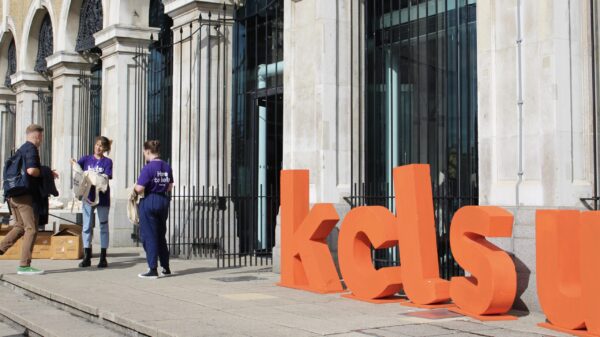
Scammers claiming to be members of staff at King’s College London (KCL) have targeted students at the university.
On 9 May, King’s sent an email to all students, warning them to be vigilant of potential fraudsters asking for payments to be made over the phone.
The scammers, often posing as senior members of the Finance team at King’s, told students that their bank account was compromised and tried to convince them to transfer their money to a different account.
In the email, KCL advised that:
“Although these calls may sound convincing, King’s will never contact students by phone to take any kind of payment, without sending an email first to let them know.”
King’s also advised that students should never provide personal information or make any payments after receiving an unexpected call.
Students are a common target of financial scams. Living away from home for the first time, combined with a lack of parental guidance, makes them especially vulnerable to fraud and scams.
A third of students in the UK have experienced a scam, according to a survey conducted last year. Bournemouth was the top location for student scams, with almost half of students targeted.
The most popular method for criminals is the ‘delivery scam‘, in which the victim typically receives a scam message telling them that a courier has been unable to make a delivery. The recipient is asked to click on a link to reschedule the delivery where they must provide personal information, including bank details.
Others have fallen foul of tuition-fee fraud, which has seen victims offered fake discounts on their student fees, as well as various other scams related to student accommodation.
Scammers will usually try to establish trust before defrauding you; a few tell-tale signs of this include:
- Pretending to be staff from the University or your bank.
- Mentioning some of your personal details, such as the name of your bank and other services you use.
- Inviting you to check their name and credentials online to try and legitimise their identity.
- Trying to get further personal information from you, so they can access your account themselves.
If you think you might be the victim of a student scam, King’s advised that you end the call immediately, inform your bank, let KCL know via telephone or email and submit a report to the police via Action Fraud.
About the author