Guest contributor Haleema Ayyub on withstanding fear during the COVID-19 pandemic, and how we can best recover afterwards.
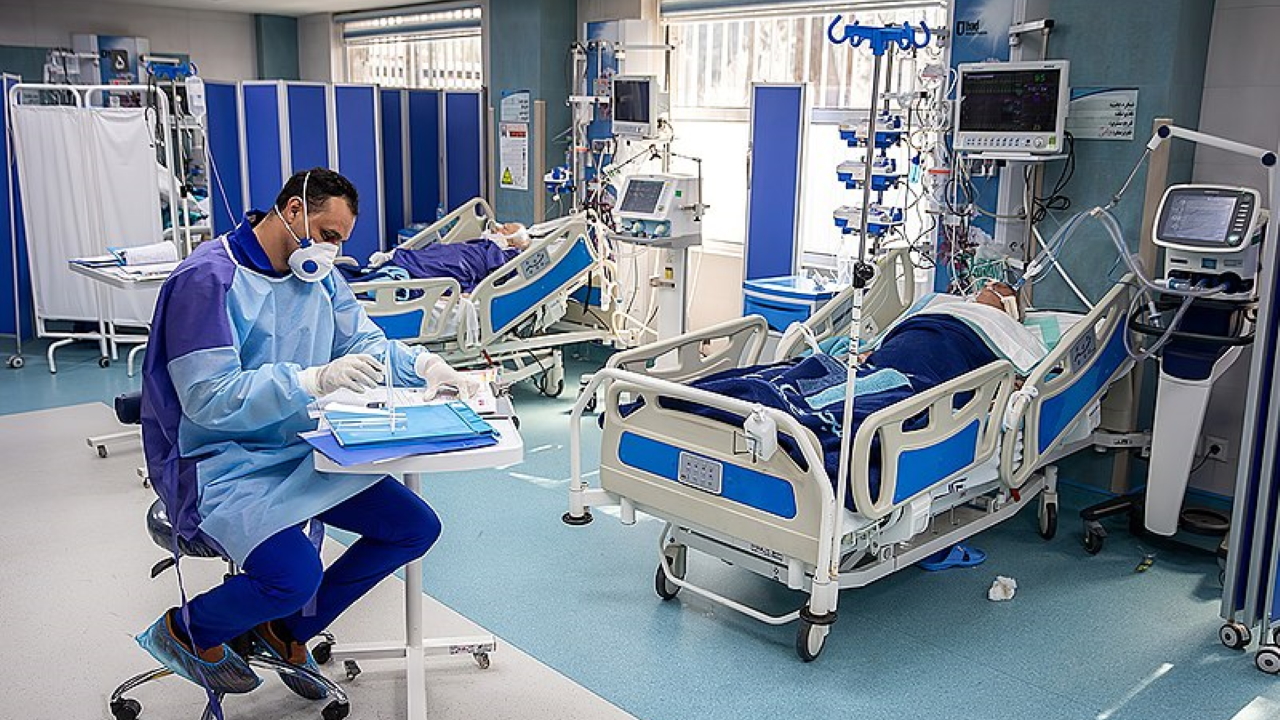
Whilst our doctors and nurses fight on the frontline of the COVID-19 pandemic, we find ourselves trapped at home, constantly bombarded by fear-invoking videos of congested hospitals. Conspiracy theories are shoved down our throats while we view this all from the dizzying blue light of our screens. With many of us scattered across the world getting ready to enter the virtual world of exam season, it’s natural to feel anxious.
Although we are physically distanced from the world falling apart, it seeps into our psyche through our screens. The influence of social media is becoming even more pervasive. Our generation has always been exposed to quite graphic and disturbing content given our politically tumultuous times. Now more than ever, though, I feel the grief and fear being shared is inevitably having a negative effect on the mental health of many. The sad reality is that people have always been dying every day; we just remained blissfully ignorant of the numbers. It is only now that these figures are being constantly highlighted that our anxiety about our own mortality is heightened.
The UK government believes that the chances of dying from the coronavirus are between 0.5% and 1%. We see these figures and feel somewhat relieved, but are then faced by the widespread hysteria perpetuated on almost all social media sites and big news organisations.
While the virus itself and its consequences are terrifying, the pure mental effect that even the thought of it is having on millions is crippling.
It is clear that this is having an adverse effect on poorer people, highlighting an inequality issue which was already prevalent in society. We almost needed a crisis like this, in order to actually recognise these issues that are now unapologetically glaring us in the face. The press is necessary during this time, and we shouldn’t take it for granted. But for our mental health, it is sometimes necessary to schedule breaks from all this information that is constantly around us.
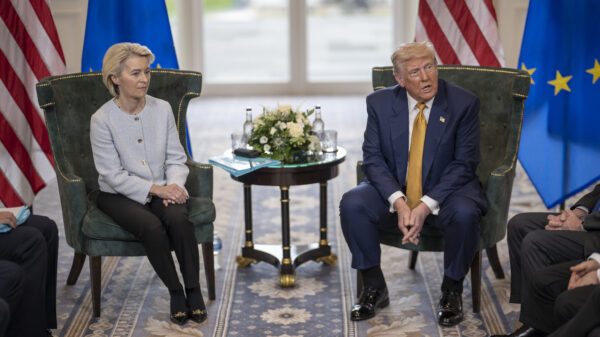
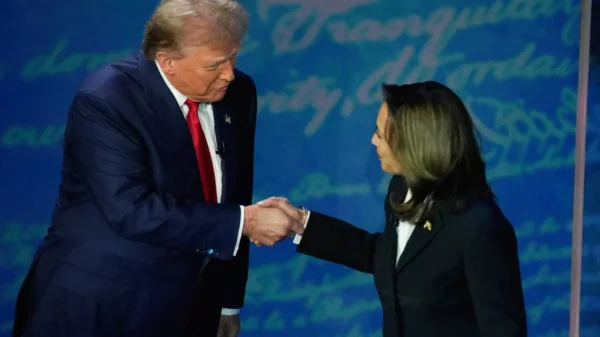
While optimistic things are coming out of this tragedy, the xenophobia simultaneously arising is appalling. Donald Trump coming out with unintelligent slogans such as the “Chinese Virus†is only worsening the situation. That’s why there is such a great need for pragmatic and rallying political figures, not ones that incite hatred and fear. We need now, more than ever, for politics to be a force for good, to ground us. We certainly don’t need division during this time, as it will only have a detrimental effect. It comes down to logic. The anxiety that is being induced as a result of this virus is leading people to act out in irrational ways, whether it’s stealing toilet paper from people or being racist towards Asians.
It is clear how necessary a mobilising political figure is during this crisis. Jacinda Ardern, PM of New Zealand, is a shining example. Recently, it was declared that Ardern and her cabinet would take a 20% pay cut in order to show “leadership and solidarity†with those in worse situations. This altruism should be an inspiration for leaders around the world. As a global community, we are in dire need of a force for good. It is imperative after the COVID-19 pandemic is over that politicians find the strength and tact to lead us successfully through not just its socio-economic and political repercussions, but our fear as well.
About the author