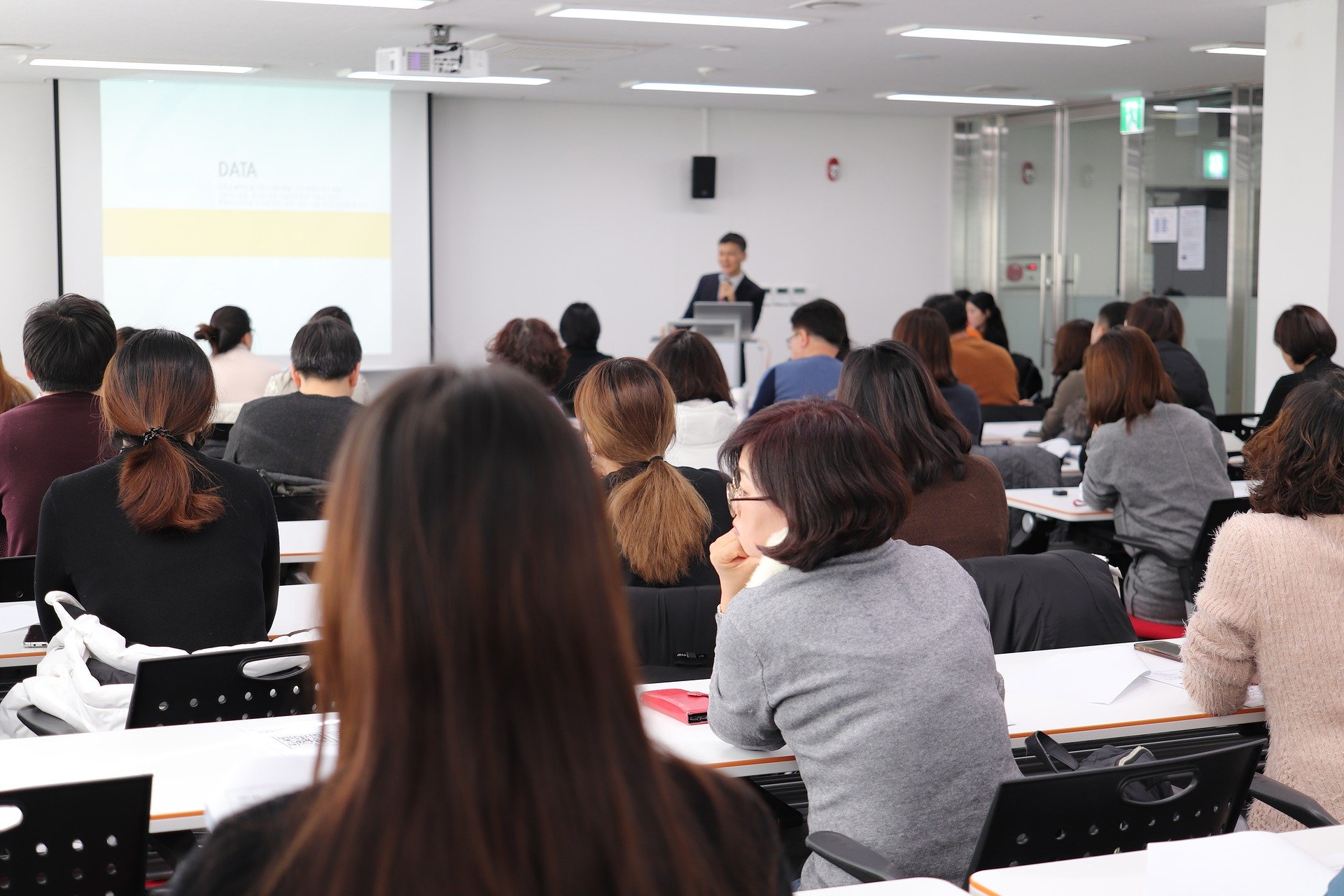
A Freedom of Information Request, submitted earlier this year, shows that out of 43 students enrolled in the third-year module “Women and Politics,” only 8 identify themselves as men.
“I never wanted to give the impression that this was a women-only class,” said the module convenor, Dr Anna Gwiazda. The module discusses gender equality and covers the social, legal and political barriers that impede women from participating equally in politics.
Emma Rouviere and Pauline Stumpf, third-year Political Economy students who enrolled in the module and identify as female said:
“Honestly, we are not surprised about the low turnout of men and we think the module should be mandatory for all politics students.
“It is so important that students of politics do not just learn what obstructs female representation in Western parliaments but also draw lessons from non-Western countries.”
Rwanda and Cuba respectively have 61 and 49 percent women in their present assemblies compared to the 34 percent female MPs in Westminster.
Is it more important for men to enrol?
While most people would agree that student diversity in modules is a good thing, it is up for debate whom the module is most important to.
Clara Sophie Meinertz, third-year European Politics student, thinks that the content of the module is “equally important for both men and women”.
However, in this time and day, she thinks that it might be more important for men.
Rouviere agreed and said:
“Because there is a negative connotation to feminism amongst much of society, I do believe that there is a need for more men, than there is at present, to enrol in such a module to learn more about the history and agenda of the different kinds of feminism.
“This module is almost more important for men than for women to take. It is a way for male students to understand this issue and to be enlightened by the extensive research there is on women and politics, instead of only being convinced by friends.”
Hugo Scheubel, who enrolled in the module and identifies as male, agrees with Rouviere and Stumpf that there is a duty to learn how society treats women and minorities.
However, he thinks that this duty does not only pertain to men and that the module is equally important for men as well as for women.
“I do not think that students should be segregated according to their gender in terms of what would be useful to them or not. The issue here is toxic masculinity and patriarchy – not ‘men’.”
Male teaching assistants meant to diversify
When creating it, Dr Gwiazda wanted to make ‘Women and Politics’, a module that was not just directed at female students.
“In fact, I’ve employed two male teaching assistants to show that men can teach modules on women and politics,” she says.
Meinertz noticed Dr Gwiazda’s choice in employment:
“Initially, I found it strange that two men were to teach us about women in politics. But I came to realise that gender should not place restrictions on who teaches what.”
Meinertz continues that “having two male teaching assistants for such a module, raises awareness that support and campaigning comes, and should come, from a broader group that is not only based upon gender.”
About the author