Editor-in-Chief Tara Sahgal on the inequality between the upper and working classes and castes in India, and how it has been exacerbated by the COVID-19 pandemic.
India is unravelling and the cracks in society are starting to emerge, as the suffering of the marginalised becomes unavoidably visible. This is not a new occurrence – it just took a pandemic for people to realise it.
In every country, the Coronavirus crisis has amplified the socio-political inequalities prevalent in society. In Western nations like the USA and the UK, this can best be seen in the disparity between the upper class and the rest of the country – with a particular emphasis on working-class citizens, refugees, the homeless and BAME individuals. In non-Western countries, like India, a similar bifurcation can be seen on the scales of class and caste.
The New York Times recently published an article shedding light on the exacerbated impact COVID-19 has had on individuals from lower socio-economic backgrounds, citing research claiming that they were more likely to both catch the disease and die from it. This is not a far-fetched assertion in India, where migrant workers and the lower class have visibly borne the brunt of the pandemic.
Let’s talk about the migrant workers first: India has approximately 120 million people migrating from rural areas to urban cities annually in order to escape poverty. Research shows that migration has become essential for people from regions where natural disasters are common or where population densities are relatively higher; yet it is the urban cities that have let these workers down, with gross inequalities in income and treatment slowly but surely stepping out of the shadows during the pandemic.
When the global situation began to worsen in March, students from elite universities both within the country and abroad safely returned home on commercial and repatriation flights and trains. Migrant labourers, who work day-and-night out of necessity, hoped to do the same – but instead (and unsurprisingly), their demands went unheard for weeks. Public transport was swiftly shut down by the government, forming part of a nation-wide lockdown in order to minimise the impact of the virus. But the important question to consider here – one which hopefully pulls the cover off privilege – is that of who was being protected. Of course, a lockdown was needed to prevent an escalation of the crisis. But a full-fledged clampdown without any socio-economic protection or fallback for the dispossessed? Harder to argue for.
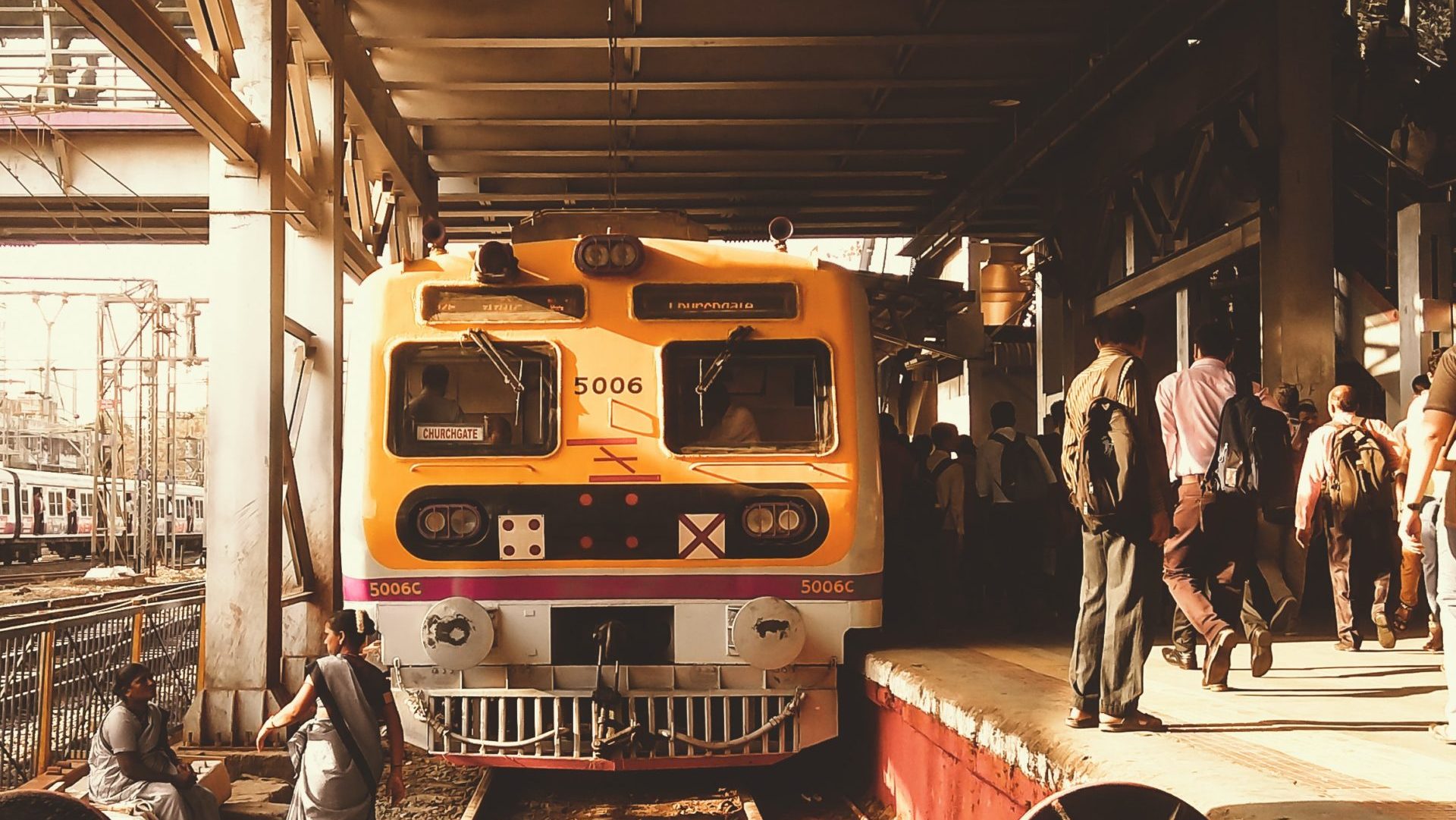
The lockdown has been nothing short of dystopian for these workers. It has left them not only jobless – since their income is largely irregular and dependant on customer traffic – but also with no way of returning home. Consequently, they have been forced to make their way by foot, travelling hundreds of kilometres without food or water and oftentimes with their children on their backs. Special trains were allowed to run for a brief period of time (until they were stopped at the behest of private builders), but even they charged ₹50 more than the usual fare – a steep cost for those struggling to feed themselves. For migrant labourers, the harsh reality is that there is as much a threat of infection as there is of starvation.
Meanwhile, as this humanitarian disaster unfolds and non-COVID related deaths puncture daily headlines, influential individuals like Ivanka Trump have begun weighing in on the issue. In classic “let’s glamorise poverty” fashion, she applauded a girl who cycled 1,200 kilometres with her wounded father (and by association, the entire Indian demographic fighting tooth and nail to get home), calling their journey a “beautiful feat†– which it wasn’t. It isn’t a choice for anyone. While their endurance can and should be acknowledged, their trauma is not something to celebrate. Migrant labourers in India have been treated like dirt during the Coronavirus crisis, to the point that many have vowed to never return to the cities; and this isn’t helped by the recent changes to labour laws in major Indian states, which effectively ensure that even post-pandemic, the marginalised will be the ones who suffer the most. Their pain cannot be glamorised.
In a similar vein, workers who are non-migrants from lower socio-economic backgrounds have been equally adversely affected by the lockdown. Not everyone has the privilege of being able to socially distance themselves from society. Because of the systemic economic and social constraints that they are subject to, the majority of India’s population live in cramped quarters where quarantine is unfeasible. Although the risk of infection is higher because of the population density in many of these areas – Dharavi in Mumbai is a prime example of this – it is difficult to expect people to remain in their homes, not only because of the lack of mobility but also because many families have had their sole breadwinners rendered jobless as a result of COVID-19. Then comes the problem of those who do not have homes. Of people living on the road or in shelters. Of people in prisons and detention centres. How are they expected to protect themselves from the virus, or indeed from any infectious disease? Who will prioritise them?
Privilege can be a tricky thing to navigate. Most of us at King’s embody some form of it, be it racial, religious, gendered, sexual, socio-economic or caste-based. Being able to write this article from the comfort of my home is a privilege.
The purpose of this piece isn’t to induce guilt or to claim that those who are privileged are free of problems: it is true that an individual’s mental health is incredibly weakened in situations like wars and pandemics, and that ‘home’ may not be a safe space for many. Suffering is complicated, and everyone is going through it at some level. What’s important, however, is to recognise just that: there are levels. Some of us are inherently, institutionally better off than others. My intention isn’t to delegitimise anyone’s problems, or even to evaluate their suffering, but just to bring to the table the fact that there is often a difference in urgency and needs – which is something that must be recognised.
Talking about privilege is the first step towards acknowledging it and using it to enact positive change through collective action. Many people have been avoiding doing so, sweeping it under the rug as yet another thing that doesn’t really affect them. But in choosing to open the discussion, we open our minds to introspection and understanding, which in turn enables us to move towards doing better – being better – for those we have helped suppress, with or without intent.
I’ve seen a lot during this pandemic. I’ve seen the plight of migrant workers on the streets and the ignorance of too many of my peers; but I’ve also seen many people try to look beyond their privilege and make an active effort to help others, oftentimes by putting their own health at risk – and that gives me some hope. Hope that the fight against the system which gave us these unearned privileges – the fight for a more sustainable future – will continue to thrive in the post-Coronavirus era.
About the author