Culture Editor Alex Blank on turning from streaming to cable TV during lockdown, and how the latter pauses and un-pauses time.
There is a certain coin-toss immediacy to this period. Mid-March: do I leave London or do I stay? No time to think — I left. Now: will I go back to London for term 1, even though the classes are online? I have no patience for weighing the allure of being in London against the money saved through staying where I’m at now, so I choose to be pragmatic and wait it out.
As lockdown turned normal over time, some of the gravest instances of decision fatigue might have been caused by having to choose which Netflix show to watch next, or which artisan bread to experiment with – though I don’t even have an oven where I live at the moment, so I’m off the hook.
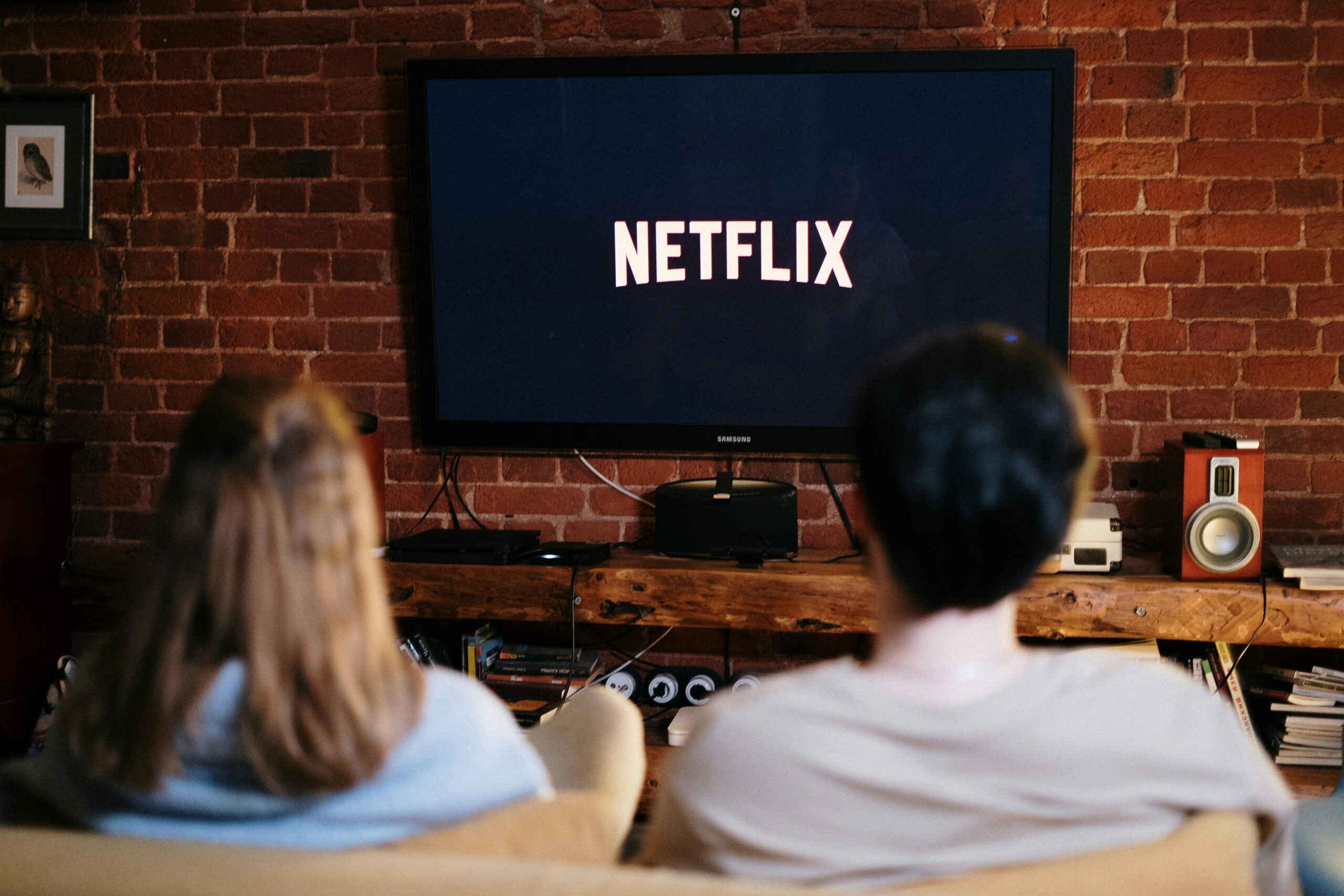
Through the (mis)fortune of having a wi-fi limit, I’m freed from the prolonged Netflix-scrolling; one where the interest to watch anything is gone once a potential show/film is finally chosen. I have a limited amount of GBs to spare in one month, so I ended up turning towards something I almost forgot existed: cable TV.
One advantage of switching to cable TV is that it allows me not to react to the outside world right away. If I receive messages, reminders or questions, I can’t afford to pause the film and engage in a certain task instantly. Instead, I wait until the end, or even until the next day. Sometimes I turn off the sound in my phone for the duration of the film, so that nothing can interrupt my descent into a sub-par comedy of some sort. Though I used to find it impossible to situate anything in the back of my mind, I now manage to compartmentalise and control it better when faced with deadlines and things to cross off a list, which has also added continuity to anything I might be watching (since I don’t have to hit pause every five minutes).
On the other hand, that continuity is frequently disrupted by the TV ad breaks, and I often use those to floss or brush my teeth, fail to read a book with a commercial in the background, wash the dishes, or do nothing at all. Those gaps within a film turn into moments of nothingness and time often wasted. This stolen waiting room is a liberating space I had almost forgotten about in my obsessive race alongside – or against – time.
Getting slowly unused to binge-watching, I explore new and familiar TV shows, such as Grey’s Anatomy and Friends respectively, which add a limited regularity to my TV schedule. Does that make rest itself seem more like another task, if I have to schedule a certain episode into my day in order not to miss the flow of the plot? Or, rather, can it be a ritual that adds more value and focus to each separate episode? I’d say it’s both.
As someone who often prefers organising to actually doing, I had written down the channels available to me, and I look at their daily menus days in advance to have plenty of titles – but not enough to cause decision fatigue – to choose from every day. I excitedly jot down bad romantic comedies, and too-frequently ignore the experimental indie films as well as award-winning dramas and horror films. Though I consider myself “cultured,†I tend to use the medium of film as tension release, maybe even as an assertion that I’m not beyond anything and that having guilty pleasures is an invaluable part of experiencing culture – which is a claim that might be false as much as it is freeing.
About the author