Culture Editor Alex Blank reviews Sayaka Murata’s 2016 novel, “Convenience Store Woman”, and suggests an autistic reading of the text.
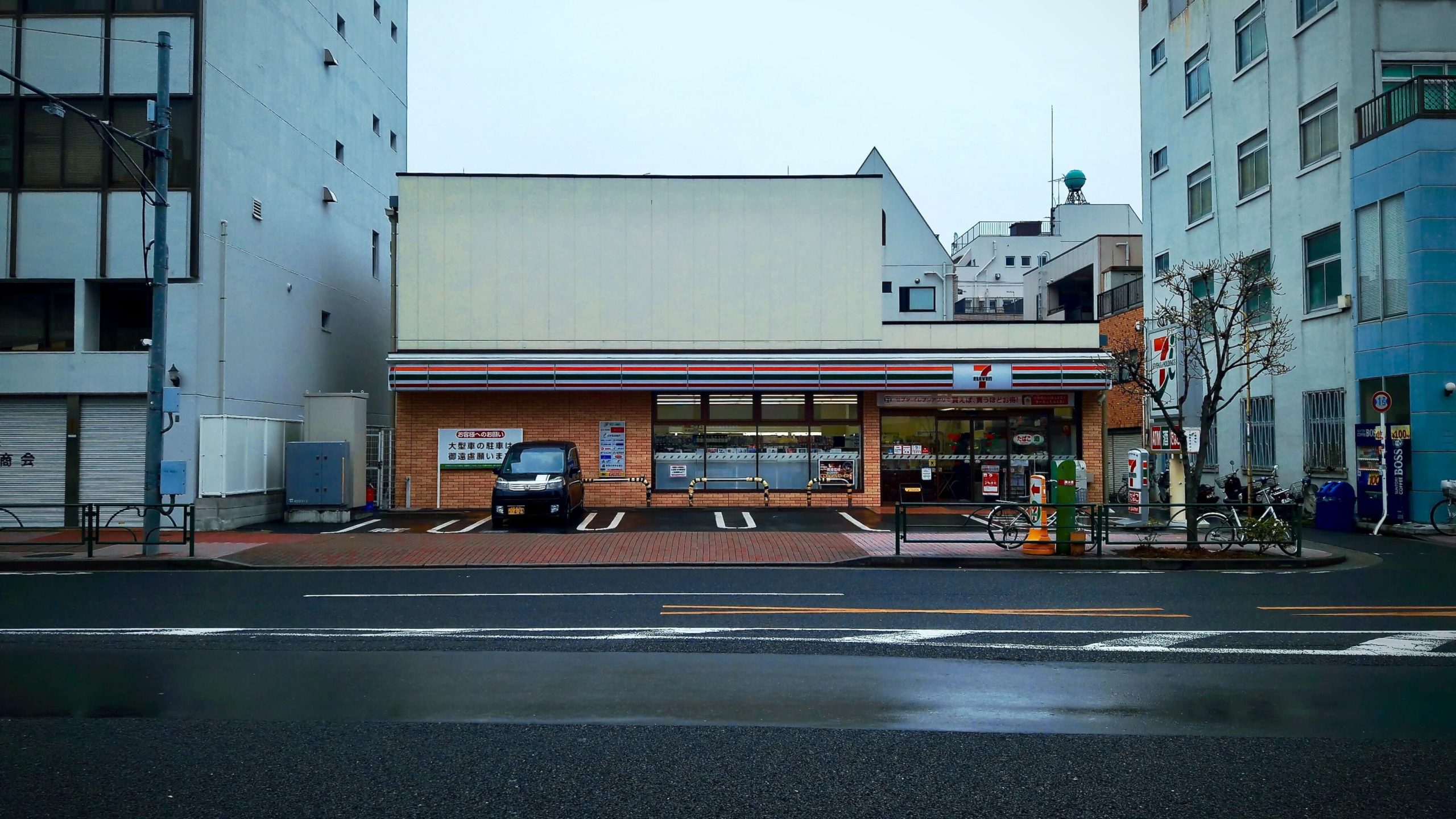
Written in a sharp, unapologetic and seemingly unemotional tone, Sayaka Murata’s 2016 novel, “Convenience Store Woman” (translated to English by Ginny Tapley Takemori), tells the story of Keiko Furukura, a thirty-six-year-old woman who’s been working part-time in the same convenience store for eighteen years. Although everyone around her tells her to start a family or work full-time, she is content with her life as it is. The systematic and almost ritualised nature of working in the store soothes her, while also disabling her from having to face anything, or anyone, unexpected.
“She’s far happier thinking her sister is normal, even if she has a lot of problems, than she is having an abnormal sister for whom everything is fineâ€, says Keiko about her sister. “For her, normality – however messy – is far more comprehensibleâ€. Murata’s novel is primarily read as a story about not conforming to any framework of what a normal life should be, though I think what might bring more nuance to the story is the possibility of Keiko being on the autism spectrum. Though there is always a risk of (mis)diagnosing characters, the ability to make oneself recognised and defined through a fictional mirror can be invaluable.
With her almost obsessive adherence to routines, asocial tendencies, mimicking of other people’s behaviour, and a lack of abilities (and patience) for small-talk or social politeness, many of Keiko’s thoughts and habits could be seen as autistic traits. What’s appealing about Muraka’s novel is the emphasis on the character’s lack of situating herself as an outsider. Keiko doesn’t see herself as other; it’s the people around her who are strange, unintelligible and confusing. Though there are no two autistic people who are the same, it’s important to note that to a neurodivergent perspective, it is often neurotypicals who seem abnormal.
Reading Murata’s novel can be a soothing and familiar experience to many people on the spectrum. When socialising is depleting and unrewarding; when one’s hyper-sensitivities are interpreted as hysteria or one’s lack of proper display of affect as being unfeeling; when one says something inappropriate or never says the right thing quickly enough—as opposed to the typical portrayal of normal, Keiko is the calm and collected one in her world. Everyone else keeps buzzing around her, along with their cacophony of gossip and societal expectations, as she moves along her own solitary path.
Defining things in terms of ab/normal binaries is rarely helpful, as it can lead towards separation and conflict, but reading, acknowledging and normalising books such as Murata’s strengthens the idea that there is room for all on life’s spectrum, and that everyone can get a bit of (textual) space that proves that they, too, can be normal for a little while, until they’re eventually forced to return to the margins.
In her depiction of a modern, female, Japanese – and arguably autistic – consciousness, Murata is considered subversive: “She writes radically and with a sense of discomfort . . . It is so new that nobody can imitate itâ€, says Chiaki Ishihara, a literature professor in Japan. As a country with a tighter as opposed to looser culture, individuals on the spectrum may find it difficult to live life on their own terms with all their struggles to adhere to stricter societal standards. Since April is Autism Awareness Month in the U.S., many people are arguing that what we need instead of awareness is acceptance, and I believe being open to autistic perspectives of all genders and ethnicities is an important step in that direction.
With or without a neurodiverse reading of the book, I would recommend “Convenience Store Woman” to anyone. After all, regardless of our personal kind of difference, we all need a safe space, and to Keiko, the store is exactly that. As the author said in an interview: “Loving a convenience store became more precious of a thing [for Keiko] to believe in than being a normal person. The convenience store became as important to her as a church. So at first becoming a normal human was her longing and her goal, but in the end she came to want something different.†I invite anyone to find their convenience store, even if only in their mind’s eye or in the pages of a book.